
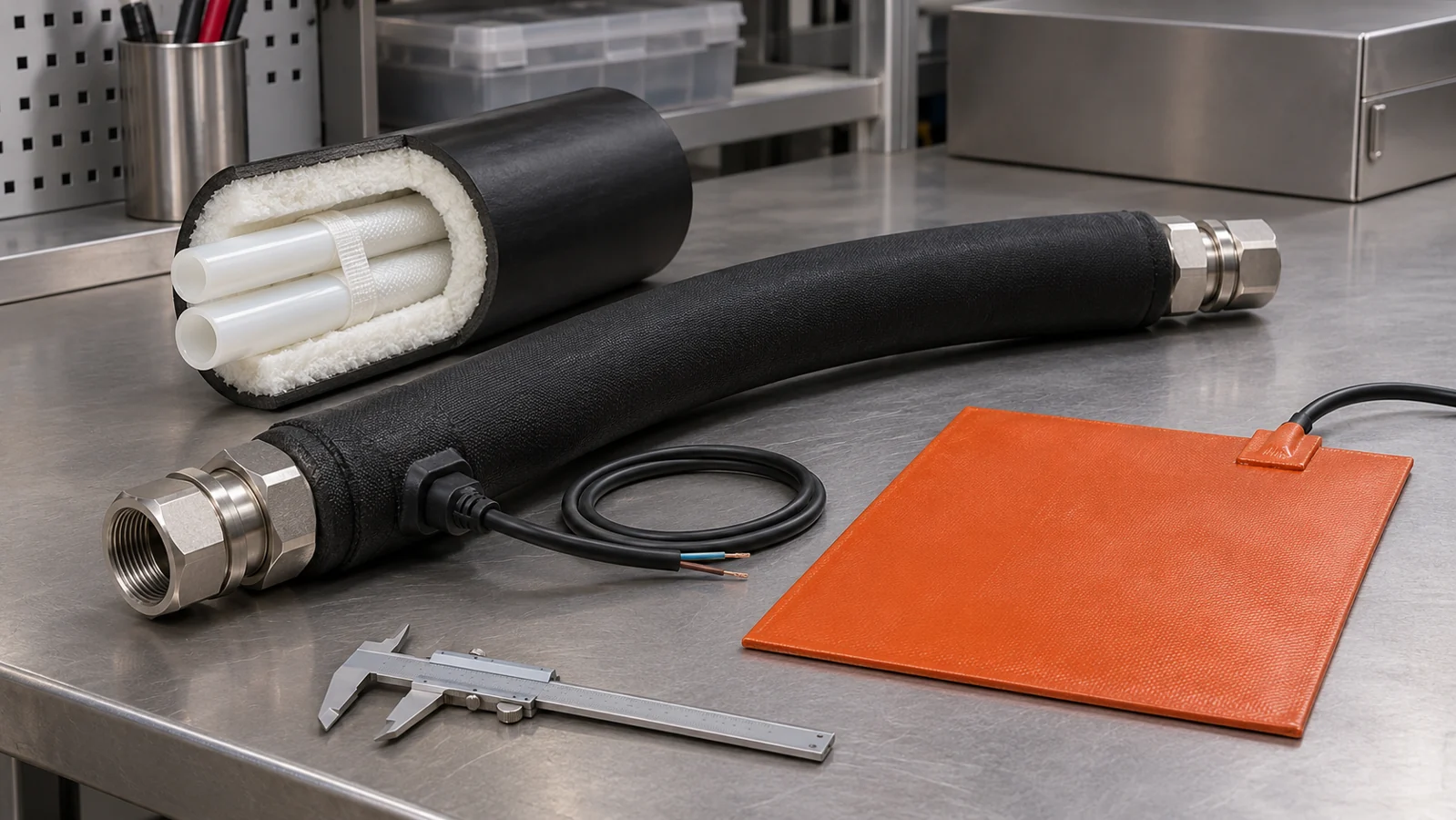
Application and low-temperature risk
Low-temperature preheating and anti-condensation are equipment-design questions governed by cell/pack limits and the protection architecture.
Equipment or areas to review
Cell/pack supplier limits, enclosure geometry, required preheat window, supply, thermal contact, allowable gradients, BMS interlocks, sensors and independent limits. Identify each heated zone and the unheated interfaces.
Define the design objective
Distinguish freeze protection, temperature maintenance, heat-up and anti-condensation. State the required condition and operating schedule; each duty needs its own heat balance and acceptance basis.
Compare heating technologies
Flexible silicone heaters are an engineering option for equipment-level review. Confirm equipment and battery supplier permission, BMS/sensor coordination and validated temperature boundaries before proposing a configuration.
Product selection scope
Use the linked product families to compare construction, interfaces and configuration-specific documents. Final model, supply, output, length, temperature limits and accessories must match the proposal.
Controls and sensing
Define sensor location/type, controller logic, zones, startup/load current, protection, alarms and any independent limiter. Agree integration and monitoring responsibilities.
Electrical, environmental and area requirements
Specify destination market, electrical supply, moisture/corrosion, mechanical exposure and any hazardous-area or system-specific approval requirements. Verify the exact configuration and document scope; no site approval is inferred.
Installation structure
Review the proposed contact surface, heater attachment, insulation, sensors and protection with the equipment designer. Mechanical clearance, electrical isolation and service access are part of the design; no cell/pack suitability is inferred from heater availability.
Design input parameters
Cell/pack supplier limits, enclosure geometry, required preheat window, supply, thermal contact, allowable gradients, BMS interlocks, sensors and independent limits.
Testing and delivery evidence
Request the proposed data sheet, layout/dimension drawing, wiring and control diagram, installation instructions, component schedule and applicable test or compliance documents. Agree document revision, commissioning records, acceptance criteria and responsibility.
Common purchasing errors
Do not attach a generic heater to a cell or pack without supplier permission, BMS coordination, validated temperature limits and a protection review. No battery-specific qualification or thermal-runaway protection is claimed here.
Relevant product families
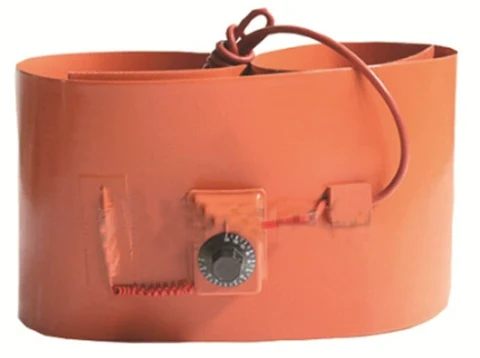 LONRIHEAT Silicone Heating
Related answers, products & documents
- revision
- MARKET-APPLICATIONS-20261119-V1
- updated
- 2026-11-19
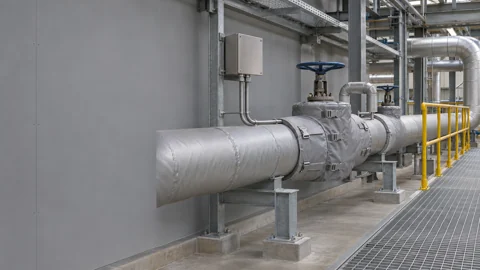 Industrial Heat Tracing & Process Heating
 Custom Heating for OEM Equipment
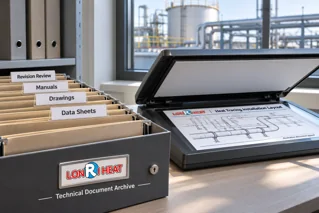 Document register
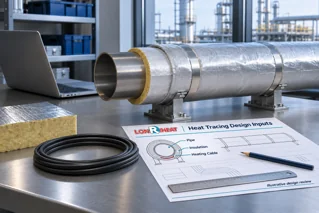 Heat-loss design inputs
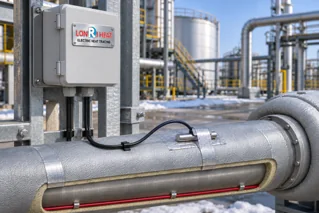 Sensors and control
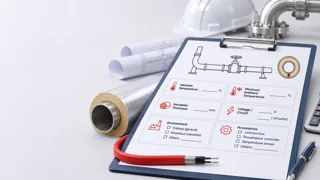 What Information Should Buyers Provide for an Accurate Heat-Tracing Quotation?
 Engineering review
RFQ technical information
Share what is known and identify missing inputs. Submission requests a technical review; it does not establish a final design or approval.
- Application / equipment
- Describe the duty and attach a drawing
- Design conditions
- Cell/pack supplier limits, enclosure geometry, required preheat window, supply, thermal contact, allowable gradients, BMS interlocks, sensors and independent limits.
- Supply / control
- Voltage/frequency, zones, sensor/controller and protection
- Commercial / evidence
- Company, email, quantity, destination, timing and required documents
Application FAQ
Can this application be selected from one temperature or power figure?
Define the complete design basis and interfaces first. Maintain temperature, exposure conditions, supply, geometry, insulation and controls must be assessed together.
Do the linked products prove approval for this application?
No. Verify the proposed model and complete configuration against its documents and the destination requirements. A product-family link is a selection path, not an application approval.
What should I send for engineering review?
Cell/pack supplier limits, enclosure geometry, required preheat window, supply, thermal contact, allowable gradients, BMS interlocks, sensors and independent limits. Include drawings/photos, quantity, destination and the requested deliverables; mark unknown inputs.
Get selection or project review
Results from preliminary tools are for reference and recommendations only. Final quantities and specifications must follow the engineer-approved design.
Open the preliminary quantity estimator · Contact the export team