
Explore the questions to resolve before specification and quotation.
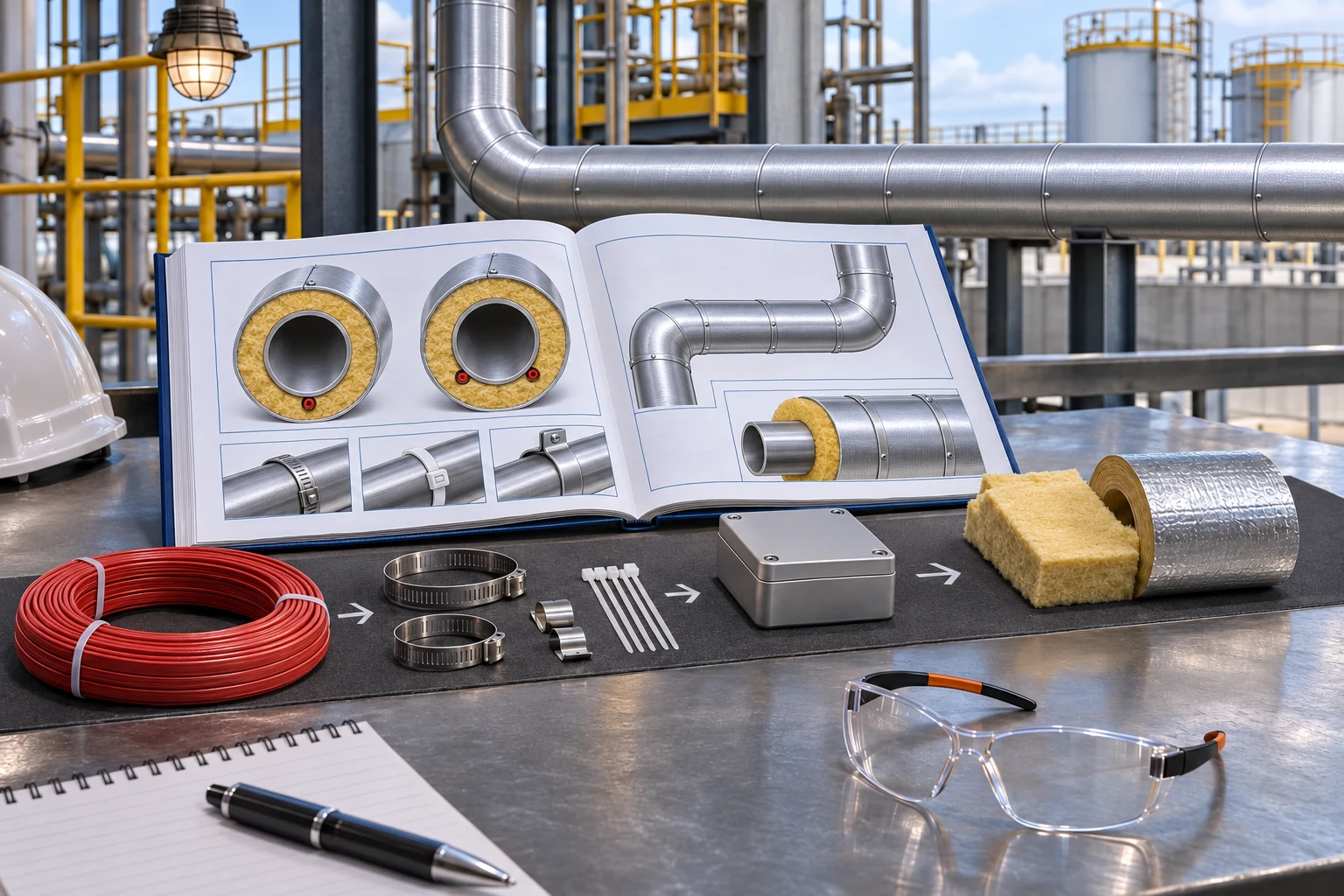
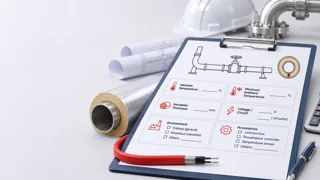 What Information Should Buyers Provide for an Accurate Heat-Tracing Quotation?An accurate heat-tracing quotation needs more than cable length and watts per metre. This checklist helps buyers define the application, temperatures, pipework, insulation, power, environment, controls, accessories, documentation and commercial scope before comparing suppliers.
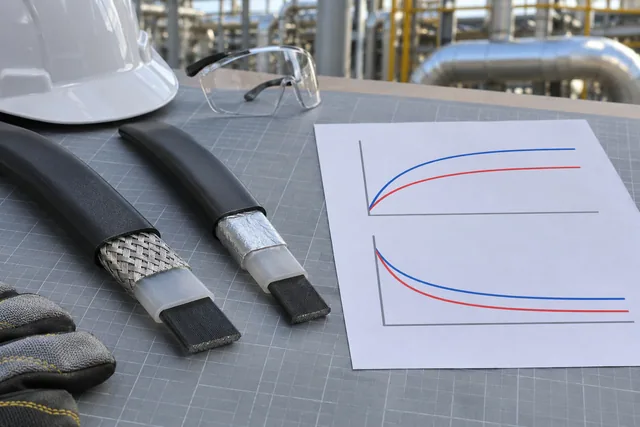 Self-regulating or constant wattage: what should a buyer compare?Compare decision inputs rather than selecting from a generic product label.
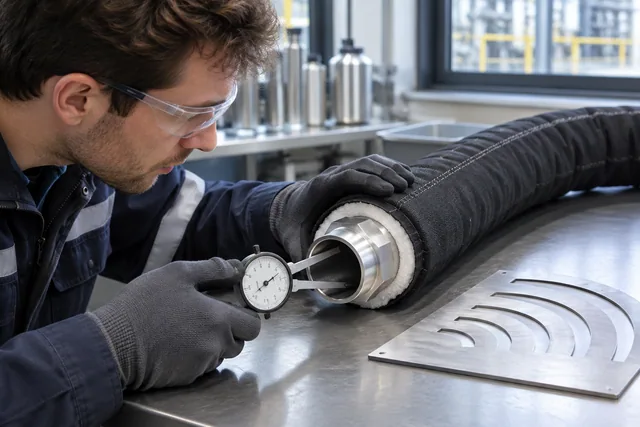 What information is needed to specify a heated hose?Define the medium, mechanical conditions, fittings, supply and control before requesting a configuration.
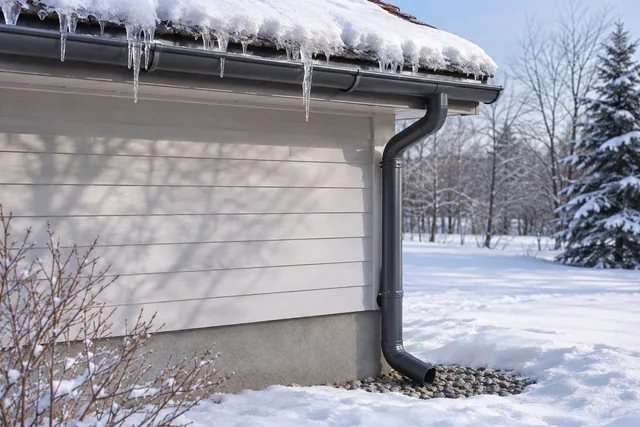 Why roof and gutter de-icing must follow the full drainage pathReview the roof edge, gutter, outlet, downspout and safe discharge as one system.
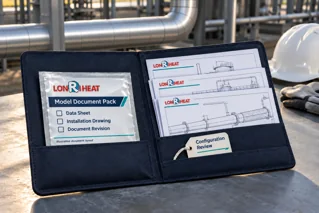 Model-level technical document packKeep each product configuration and its documents on the same revision.
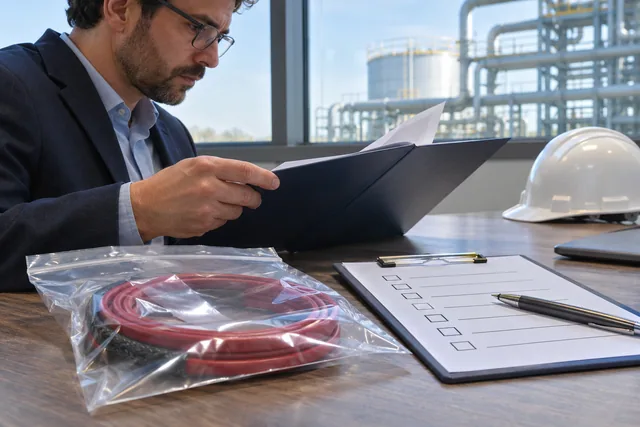 Supplier qualification and document checklistGive engineering, procurement and quality the same configuration and evidence set.
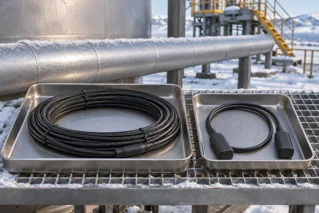 Heating cable assembly or thermostatic extension: which do you need?Distinguish the heater from the switching lead, then check the full electrical and installation configuration.
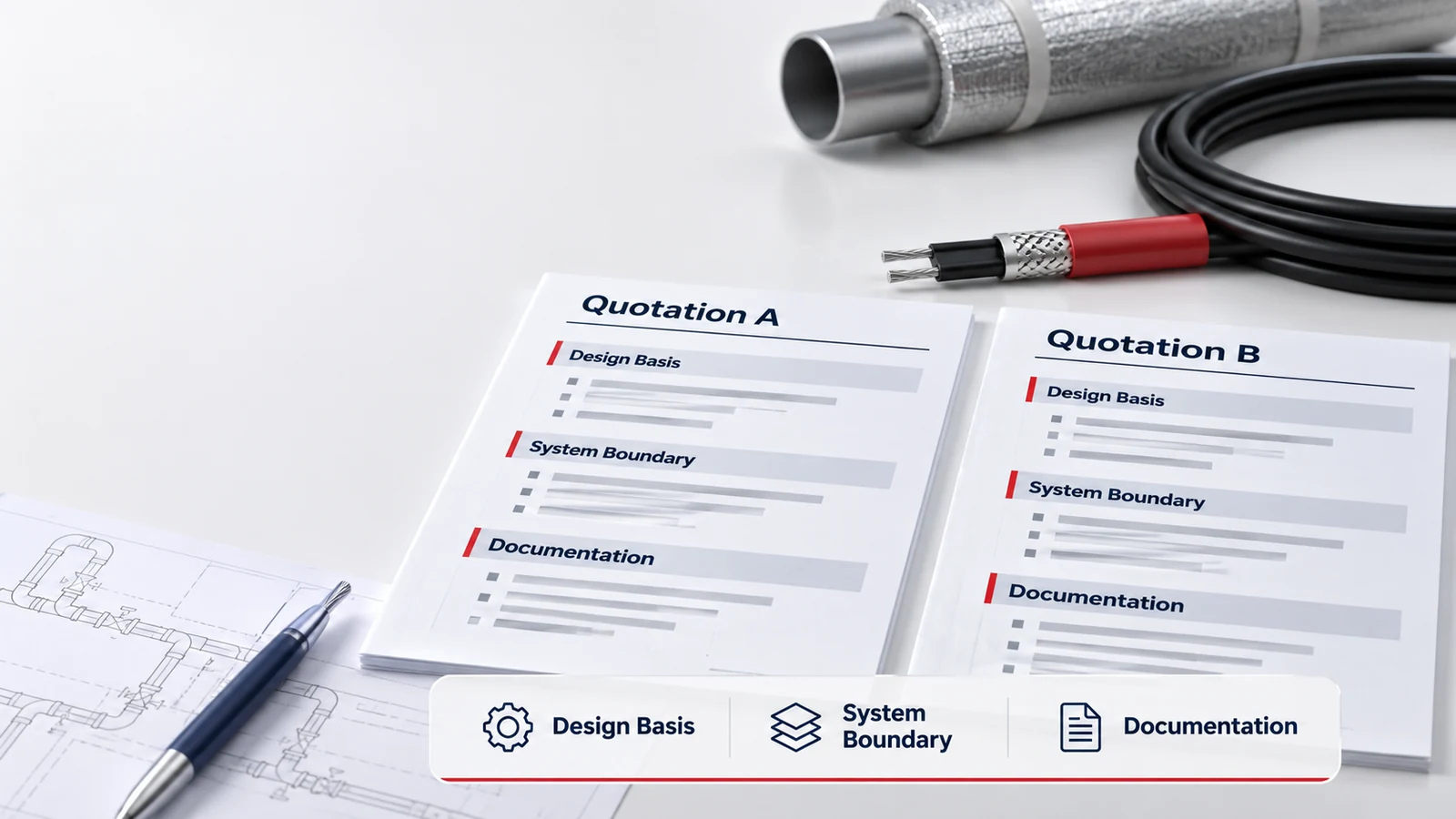 How Should Procurement Compare Two Self-Regulating Heat-Trace Quotations?Two self-regulating heat-trace quotations are comparable only when they use the same operating conditions, product definitions, circuit assumptions, system boundary and documentation scope. This guide provides a technical-commercial bid evaluation matrix and identifies common red flags.