
Define sensing, limits and failure response as one system.
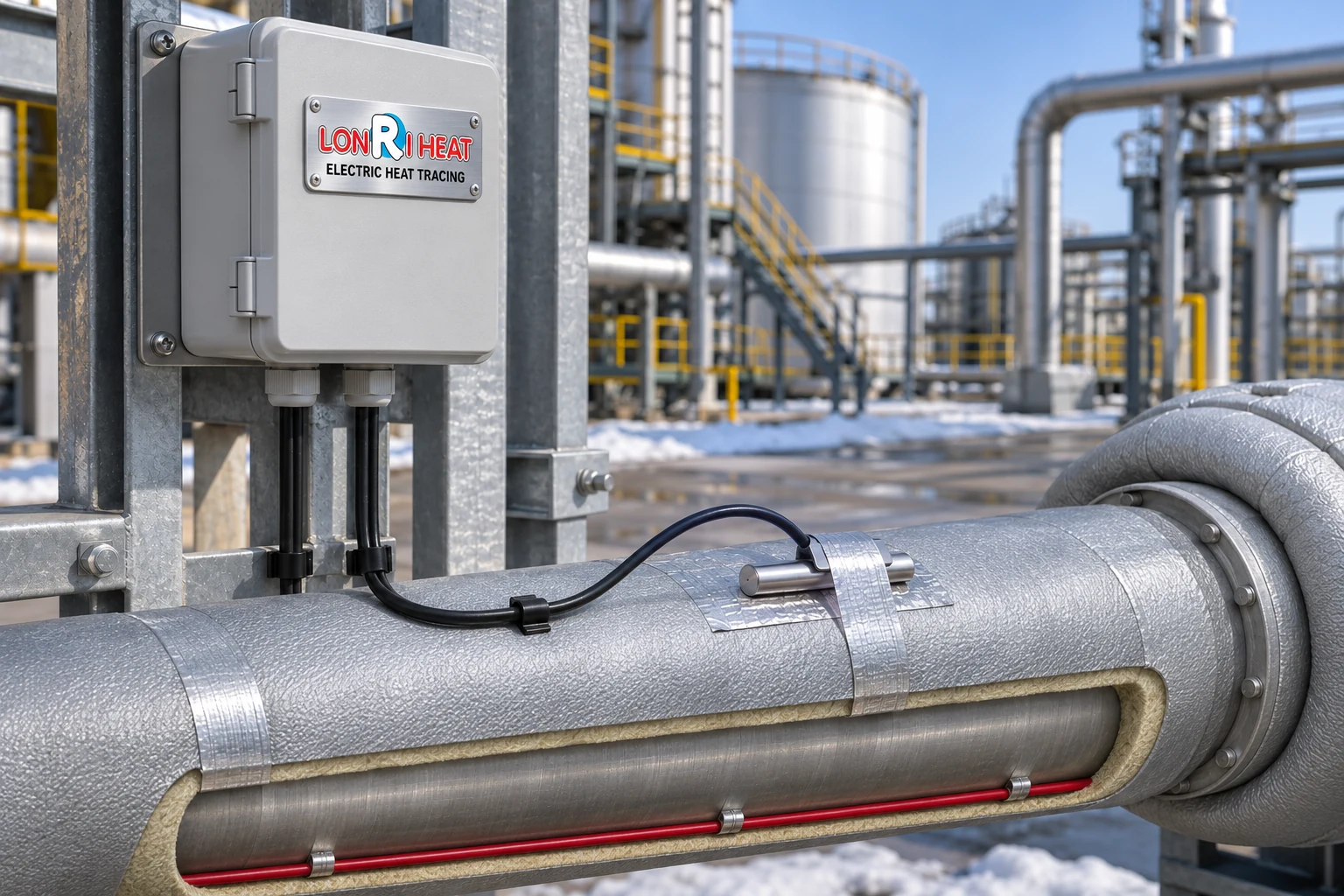
Controlled variable
Define pipe/medium/ambient/surface duty, target band and allowable maximum; separate control and limiting if required.
Sensor placement
Consider cold spots, heat sinks, sun and heater influence; use the exact instructions.
Interfaces
Confirm supply, switching capacity, sensor type, enclosure, alarms and monitoring.
Controller example
reference configuration source lists220/380 V,20 A,M25,IP65,0–120/50–200 °C and±5 °C. This does not establish system accuracy or market approval.
Buyer review checklist
Should a heat trace system use ambient sensing or line sensing?
Where should the temperature sensor be installed on a pipe?
When do I need a control panel instead of a thermostat?
Relevant product families
Related answers, products & documents
Source and review status
CAT-2023-20P · PDF page 14 · Local supplied-catalogue reference. Company information, certification logos and project claims excluded.
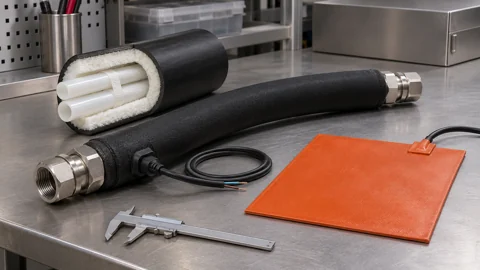 Battery & Energy Storage | Development Review
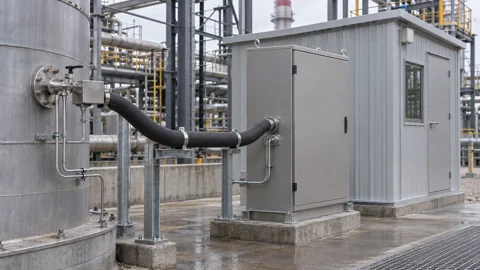 CEMS Heated Sample Lines
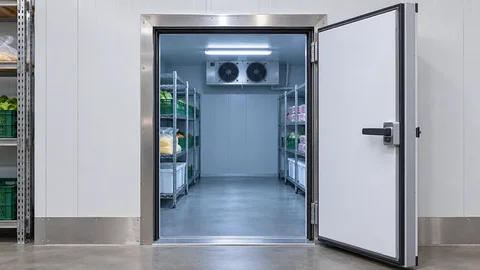 Cold-room door-frame heating
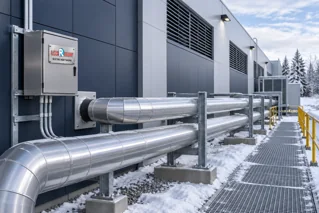 Data-center outdoor pipes
 Ramp & Driveway Snow Melting
 Electric Underfloor Heating
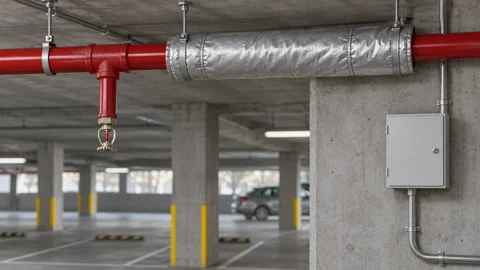 Fire Sprinkler Freeze Protection
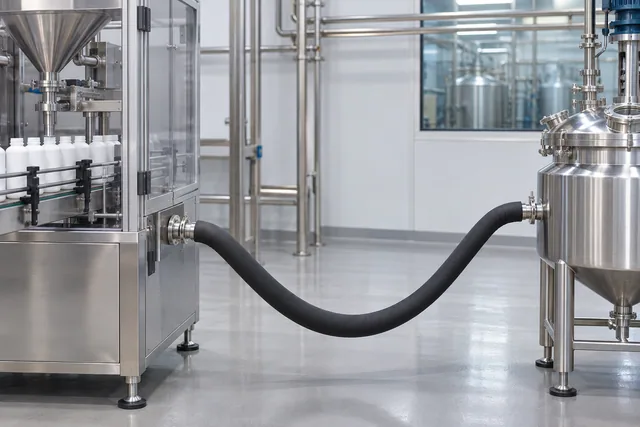 Industrial Heated Hoses
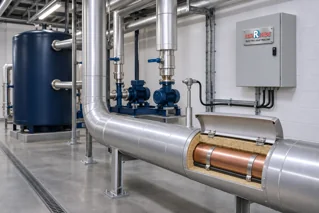 Hot Water Temperature Maintenance
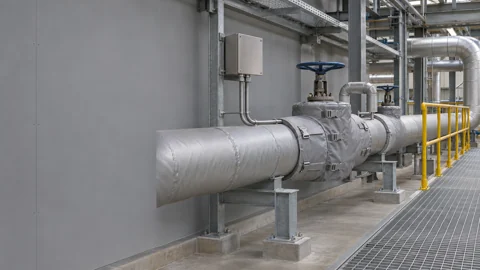 Industrial Pipe Freeze Protection
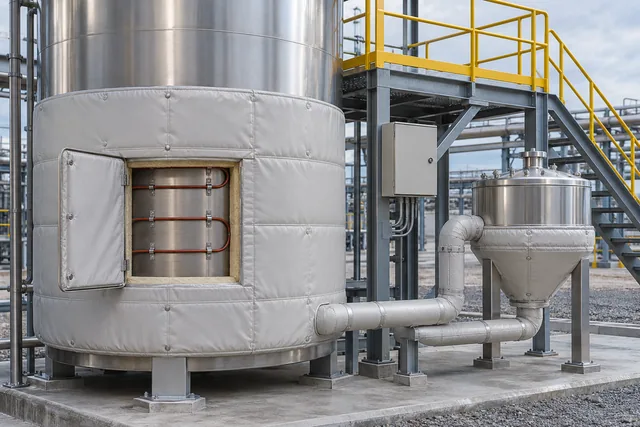 Process Temperature Maintenance
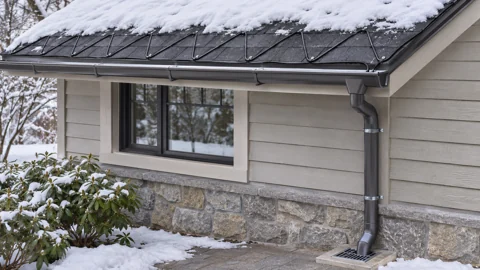 Roof & Gutter De-Icing
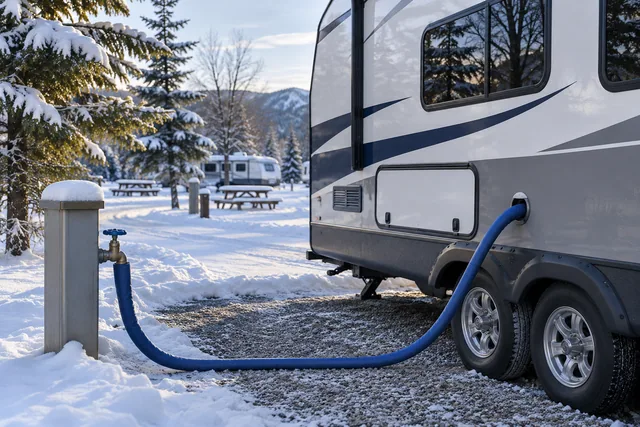 RV Heated Water Hoses
 Surface snow meltingTank & Vessel Heating
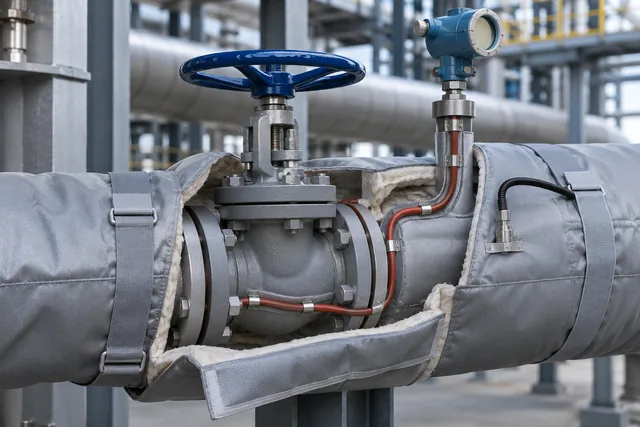 Valve and instrument cold spots
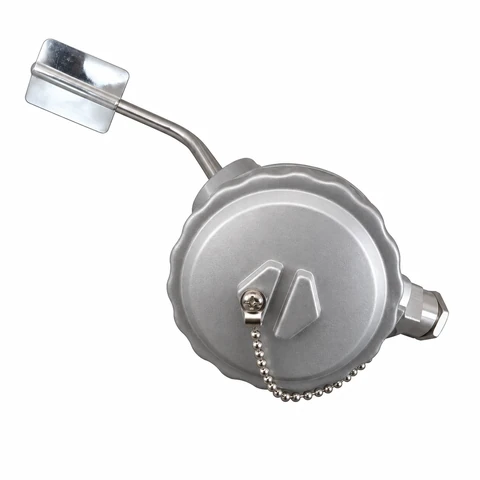 LONRIHEAT Controls and system components
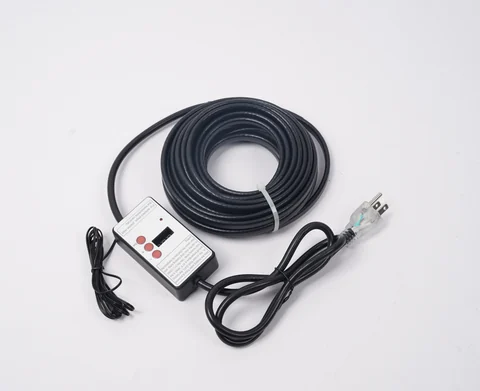 LONRIHEAT Digital-control pre-assembled heating cable
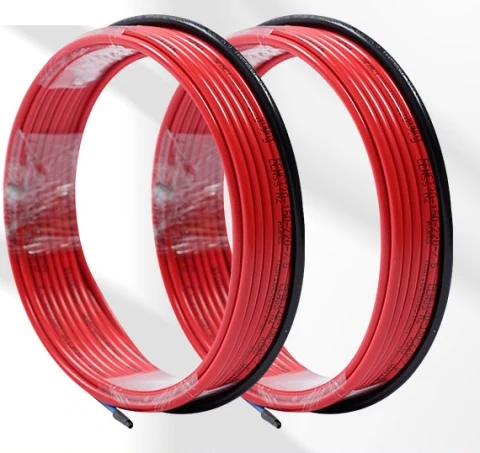 LONRIHEAT Floor heating cables
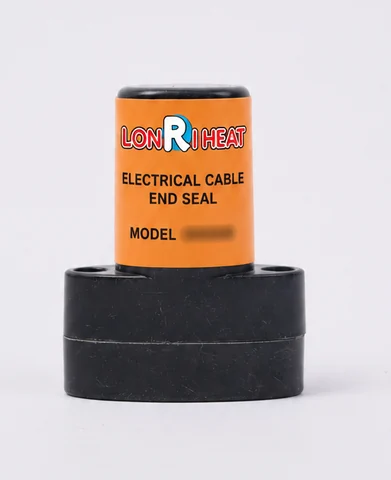 LONRIHEAT Heat tracing end-termination component
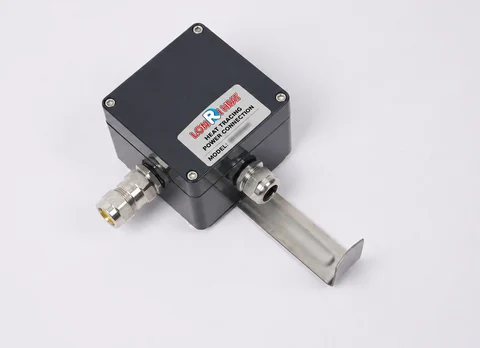 LONRIHEAT Heat tracing power connection box
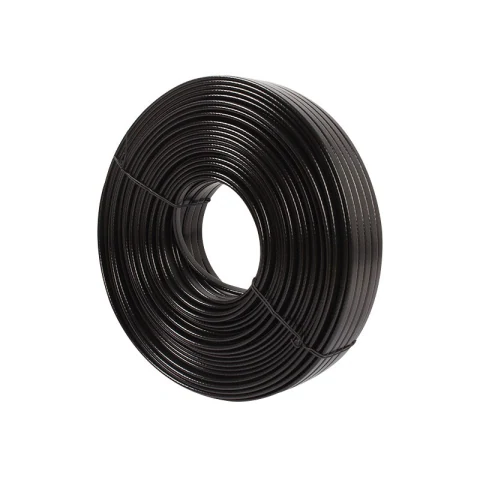 LONRIHEAT Low-temperature self-regulating heating cableLONRIHEAT PT100 temperature sensor assemblyLONRIHEAT Skin-effect heat tracing systems
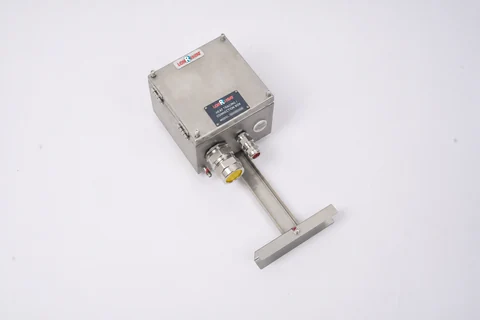 LONRIHEAT Stainless-steel heat tracing connection box
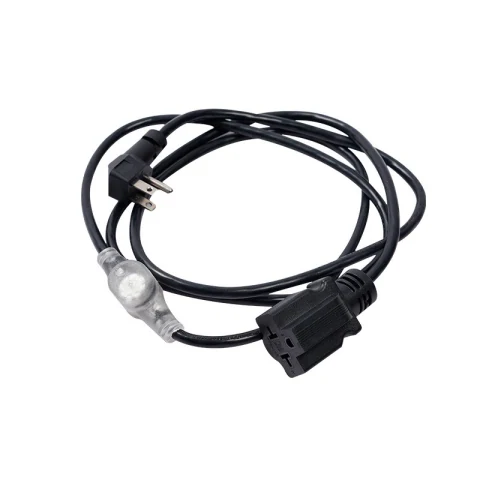 LONRIHEAT Thermostatic extension cord
 Engineering review