
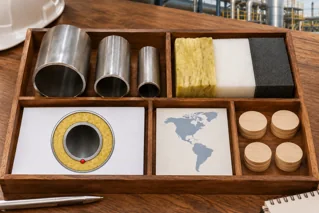
An accurate heat-tracing quotation should begin with the application, required maintain temperature, minimum ambient temperature, pipe or equipment details, insulation, available power, installation environment, control method, accessories, compliance needs and project quantities. Cable length and nominal watts per metre alone are not enough to select a system or compare suppliers responsibly.
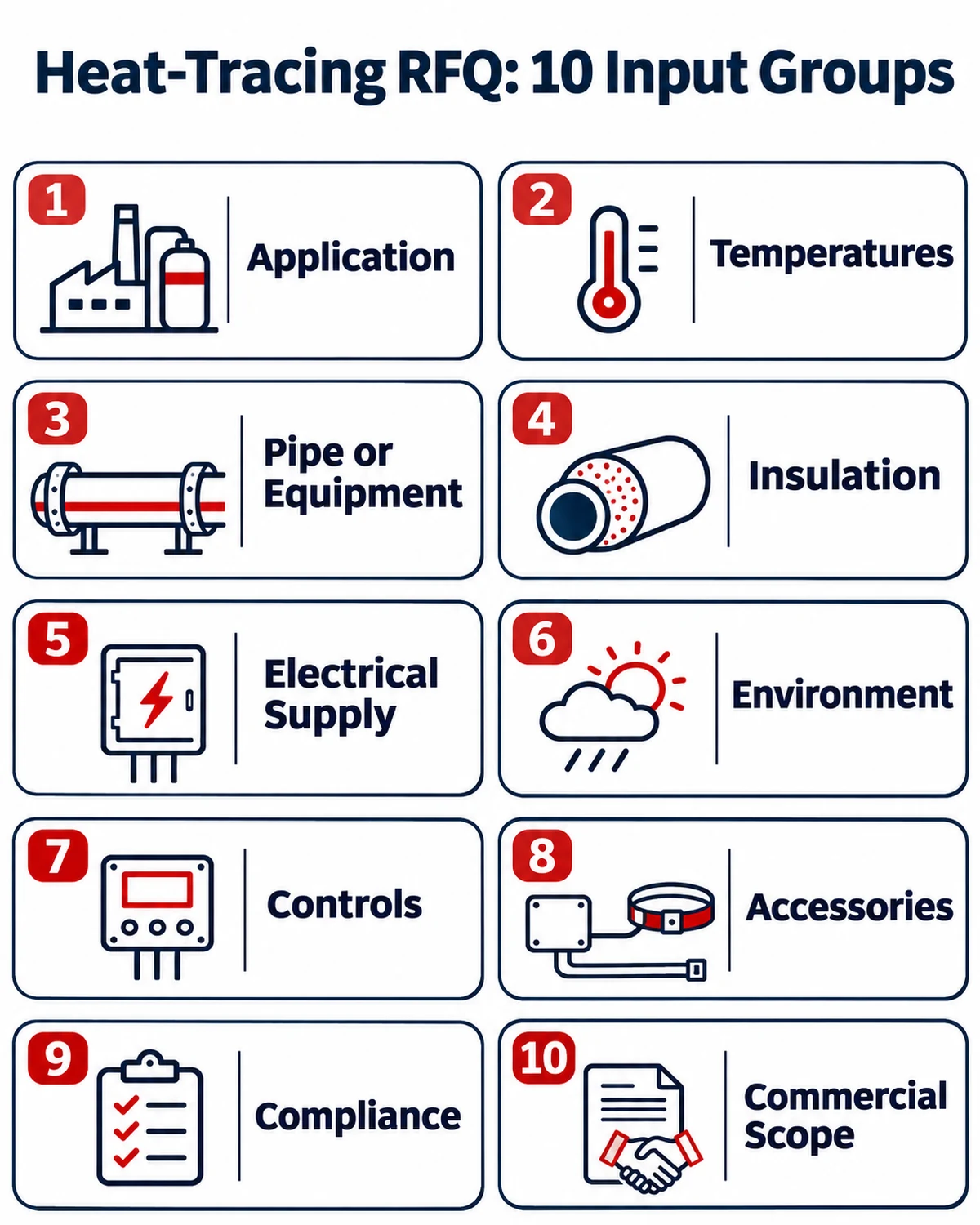
For most pipe-tracing RFQs, the buyer should provide at least these ten input groups:
- Application and operating objective
- Maintain, ambient and exposure temperatures
- Pipe or equipment dimensions and materials
- Insulation type and thickness
- Electrical supply and circuit conditions
- Indoor, outdoor, corrosive or hazardous-area conditions
- Control, sensing and monitoring requirements
- Power connections, terminations and installation accessories
- Destination-market standards and model-level certification needs
- Quantities, drawings, packaging, documentation and delivery schedule
The purpose of this information is not to make an RFQ longer. It is to reduce assumptions. A quotation built on clear inputs is easier to review, easier to compare and less likely to omit installation components.
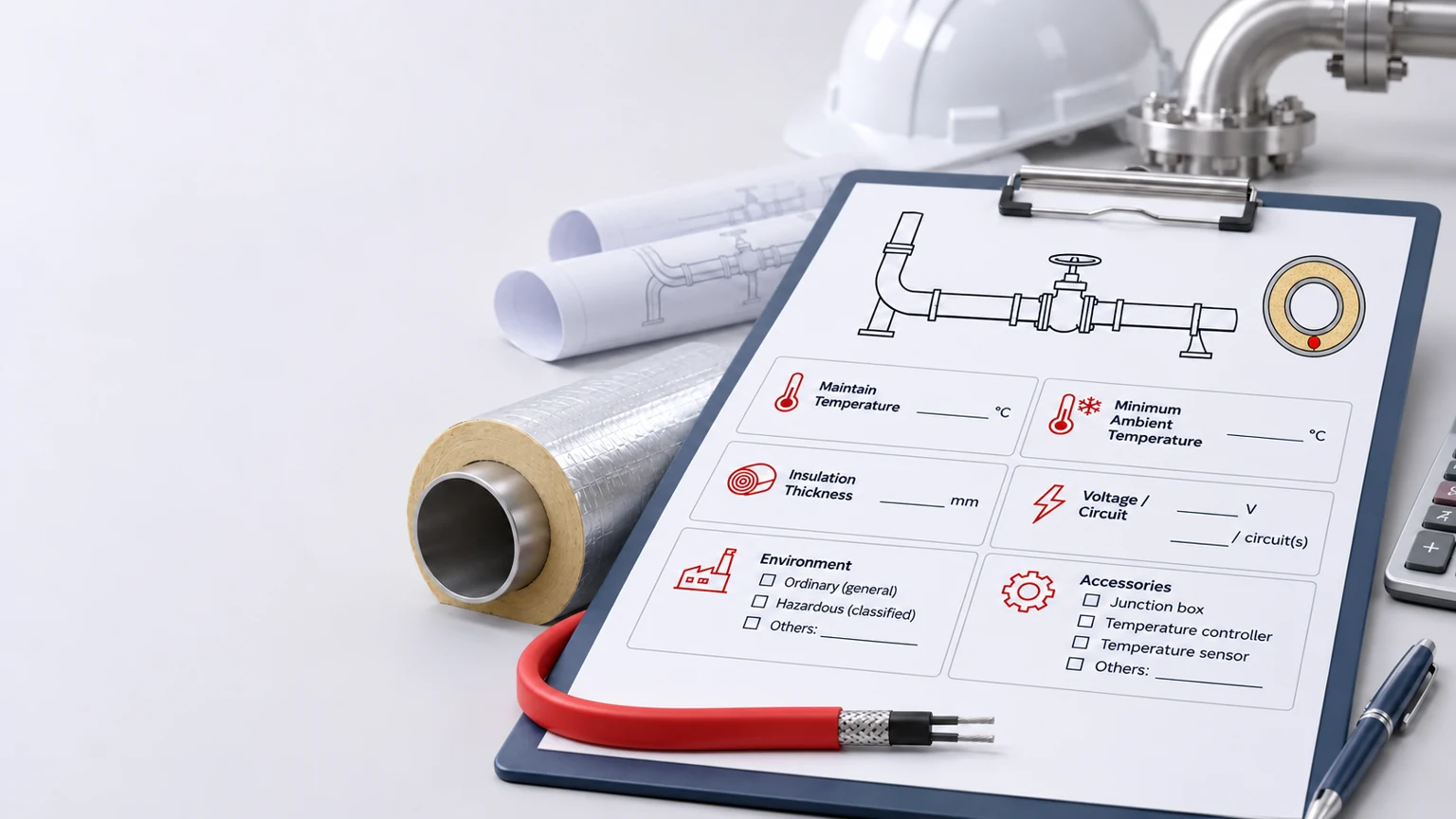
Heat-tracing RFQ checklist
| Input group | Information to provide | Why it matters |
|---|---|---|
| Application | Freeze protection, process temperature maintenance, hot-water temperature maintenance, roof and gutter de-icing, snow melting or another duty | Different duties require different design assumptions and product families |
| Temperature | Required maintain temperature, minimum ambient temperature, normal process temperature and maximum powered or unpowered exposure temperature | Temperature conditions affect heat loss, cable technology, sheath selection and controls |
| Pipe or equipment | Pipe diameter, pipe material, total length, number and size of valves, flanges, supports, pumps or instruments | Fittings and heat sinks can increase the heated length and local heat demand |
| Insulation | Material, thickness, weatherproofing and whether insulation is new or existing | Heat loss cannot be estimated reliably without the insulation system |
| Electrical | Supply voltage, phase where relevant, circuit-breaker information, available circuits and expected energisation temperature | Electrical conditions affect circuit design, starting behaviour and protection |
| Environment | Indoor or outdoor, wet, UV-exposed, corrosive, washdown, mechanically exposed or classified area | The environment affects the outer-jacket, connection method, enclosure and approval requirements |
| Control | Ambient-sensing or line-sensing control, sensor location, thermostat, independent high-limit, alarm or monitoring needs | Control strategy affects energy use, process protection and the component schedule |
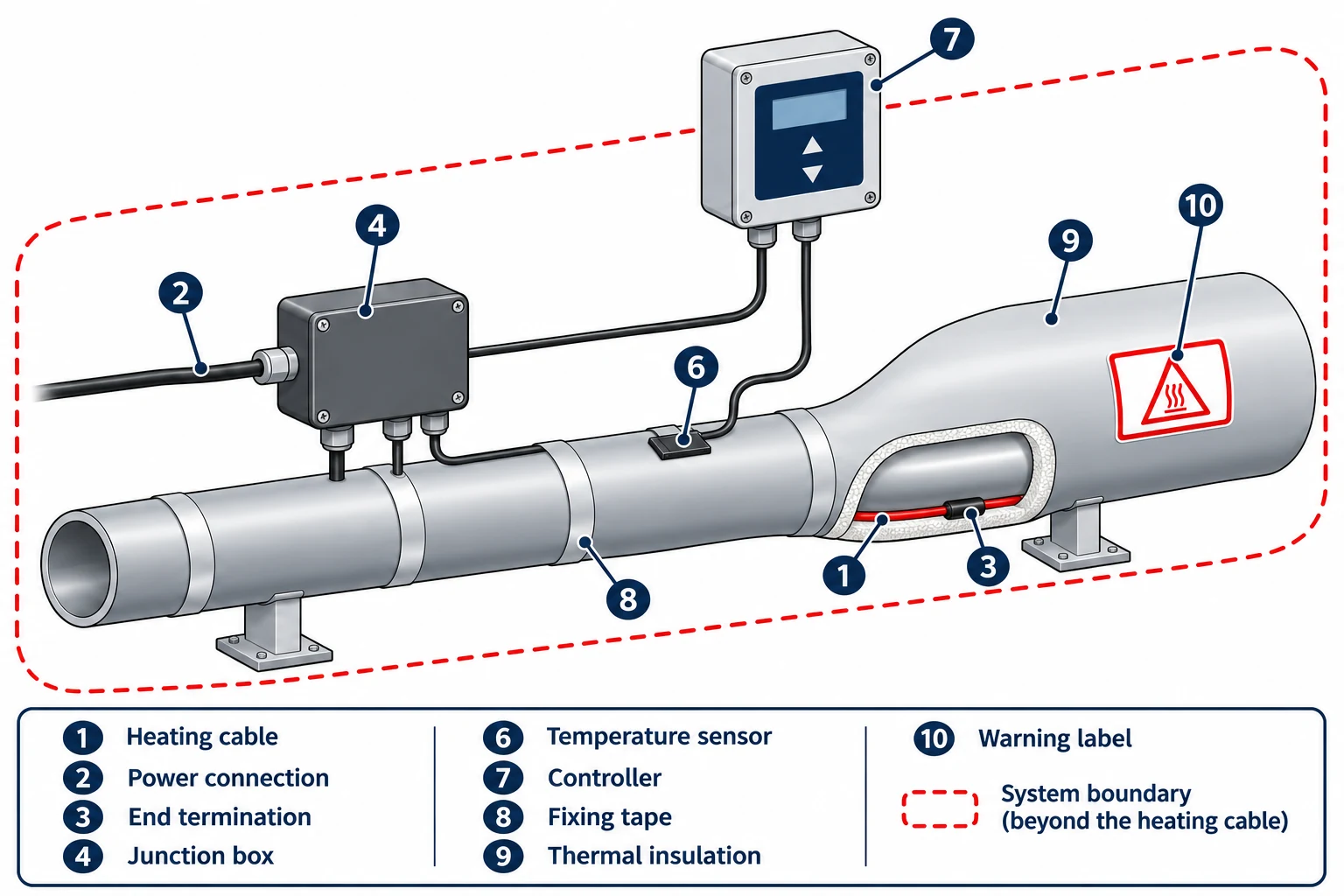
| Accessories | Power connections, end terminations, tees, junction boxes, glands, fixing tape, pipe straps, warning labels and insulation-entry components | A cable-only quotation may not represent an installable system |
| Compliance | Destination country, project specification, required standards and exact certification scope | Compliance must be checked against the exact model and intended use, not a brand-level assumption |
| Commercial scope | Quantities, line list, drawings, preferred lengths, pre-termination, plugs, cold leads, labels, packaging, manuals, target date and Incoterm | These inputs define the quotation boundary and allow OEM or project-specific review |
1. Define the application before discussing cable type
Start with the result the system must achieve. “Heating cable for a 100-metre pipe” is not a complete design objective. The supplier needs to know whether the purpose is to prevent freezing, hold a process at a defined temperature, maintain hot water, protect a fire-water line, or serve another application.
This distinction matters because the same pipe length can lead to very different technical and compliance questions. A general industrial process line is not the same as a drinking-water pipe, a fire-sprinkler system or a hazardous-area installation. If the application has a regulated or safety-critical function, state that at the beginning of the RFQ.
2. Separate maintain temperature from exposure temperature
The maintain temperature is the temperature the heat-tracing system is expected to support under defined design conditions. Maximum exposure temperature is the highest temperature the cable and its components may experience, whether energised or de-energised.
Buyers should disclose normal operating temperature, minimum ambient temperature, start-up conditions and exceptional events such as steam cleaning, hot process excursions or shutdown. These are not interchangeable values. A product that appears adequate at the maintain temperature may still be unsuitable for a higher exposure condition.
3. Provide a usable pipe or equipment schedule
For a pipe system, include pipe diameter, material and length for each line. List valves, flanges, supports, pumps, strainers, instruments and other local heat sinks. Identify branches and locations where a power connection, tee or separate circuit may be required.
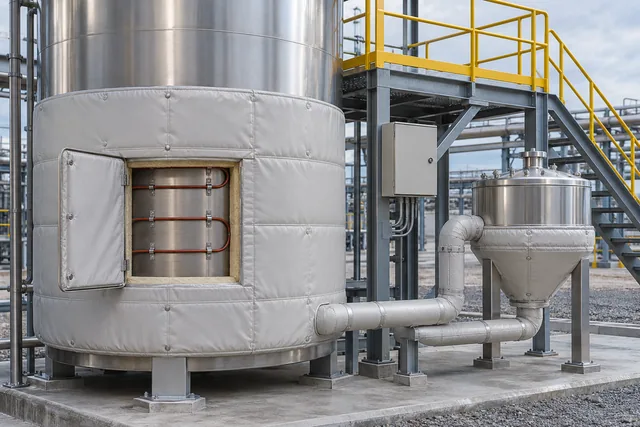
For tanks, vessels or other equipment, provide geometry, material, contents, working volume, target temperature, warm-up requirement and mounting limitations. A marked-up drawing or line list is usually more useful than a single total-length figure.
4. Do not leave insulation as “to be confirmed”
Insulation material and thickness are central design inputs. Also state whether the insulation is indoors or weatherproofed outdoors, whether it may become wet, and whether the pipe has supports or penetrations that create cold spots.
If insulation has not yet been selected, the quotation should identify the assumed insulation basis. Otherwise, two suppliers may appear to quote the same duty while using different heat-loss assumptions.
5. State the real electrical conditions
Provide supply voltage, available circuits and the intended electrical protection. Where known, include circuit-breaker rating and characteristic, residual-current or ground-fault requirements, and the lowest temperature at which the system may be energised.
This is particularly important for self-regulating heat trace because cold-start behaviour can influence allowable circuit length and protection selection. Buyers should request model-specific design data rather than using a generic maximum circuit length from an unrelated product.
6. Describe the installation environment
The RFQ should identify whether the installation is indoor, outdoor, wet, UV-exposed, corrosive, subject to washdown or vulnerable to mechanical damage. If the location is classified as hazardous, provide the classification system, zone or division, gas or dust group and temperature class required by the project.
Do not ask a supplier merely whether a product is “explosion-proof” or “certified.” Request the exact model, intended-use scope, certificate or listing reference, and any conditions of use that apply to the complete system.
7. Define control and monitoring expectations
Specify whether the system should use ambient sensing, pipe sensing or process sensing. State the desired control setpoint, sensor location and whether an independent high-limit is needed. For critical circuits, define alarms, current monitoring, ground-fault monitoring, communication or building-management integration as project requirements rather than assumed features.
The right control strategy depends on the application. A simple freeze-protection circuit and a process-maintenance line should not automatically receive the same control philosophy.
8. Request an installable component schedule
A heat-tracing system normally includes more than the heating cable. Depending on the design, it may require power-connection and end-termination kits, tees, junction boxes, glands, cold leads, sensors, controllers, fixing materials, warning labels and insulation-entry protection.
Ask each supplier to state clearly what is included, excluded and supplied by others. This makes quotations more comparable and reduces the risk of discovering missing accessories during installation.
9. Map compliance to the exact product and market
State the country of installation, applicable project specification and any required third-party certification. Certification claims should be checked at model level, including voltage, construction, temperature class, application and accessory combination where relevant.
A certificate for one cable family, market or configuration does not automatically cover every product sold by the same manufacturer. If approval evidence is not yet available, the quotation should say so rather than implying blanket compliance.
10. Add commercial and OEM information
For standard project purchases, provide quantities, required delivery date, destination, Incoterm, documentation language and inspection requirements. For pre-assembled or private-label products, also define heated length, cold-lead length, plug or termination, thermostat position, label content, packaging, manuals, barcode requirements and sample-approval process.
Freezing these inputs early helps separate technical changes from commercial changes and gives both parties a clearer basis for sample review and production approval.
A copy-ready RFQ template
Buyers can copy the following structure into an enquiry:
Project and application: Country and installation location: Application objective: Pipe/equipment material and dimensions: Total length and fitting schedule: Required maintain temperature: Minimum ambient temperature: Normal and maximum exposure temperatures: Insulation material and thickness: Indoor/outdoor and environmental conditions: Hazardous-area classification, if applicable: Supply voltage and electrical protection: Control, sensing, alarm and communication requirements: Required connection and installation accessories: Destination-market standards or certifications: Quantity and preferred delivery format: Required drawings, datasheets, manuals and inspection records: Target delivery date and Incoterm: Attached line list, drawings or photographs:
How LONRIHEAT reviews an enquiry
LONRIHEAT is the export brand of Wuhu Huaheng Electric Heating Technology Co., Ltd., a China-based manufacturer founded in 2015. The supplied company foundation records that its founder has worked continuously in the electric-heating industry since 2005. Its current product scope includes electric heat tracing, heating cables, pre-assembled heating products, heated hoses, floor heating and related controls or accessories.
That experience supports a practical founder-level principle: a responsible quotation should begin with the operating conditions and system boundary, not with a cable colour, a nominal wattage or a target price. This sentence is an editorial synthesis of the documented experience and company approach; it is not presented as a verbatim founder quotation.
LONRIHEAT can use the buyer's application data to discuss product-family selection, accessory matching, samples or trial orders, and selected OEM/ODM requirements. Final model, ratings, certification scope, commercial terms and delivery commitments must be confirmed in the approved quotation and controlled technical documents.
Frequently asked questions
Is cable length enough for a heat-tracing quotation?
No. The supplier also needs the application, maintain and ambient temperatures, pipe or equipment details, insulation, voltage, environment, controls, accessories and compliance requirements. Length alone does not define heat loss or system scope.
Should a buyer specify watts per metre?
A buyer may state an existing design requirement, but nominal watts per metre should not replace the operating data. Output is meaningful only with its reference conditions, temperature limits and complete circuit design.
Why does insulation thickness matter?
Insulation strongly affects heat loss. Different materials or thicknesses can change the required heating duty, even when the pipe and ambient temperature remain the same.
What should be included when comparing quotations?
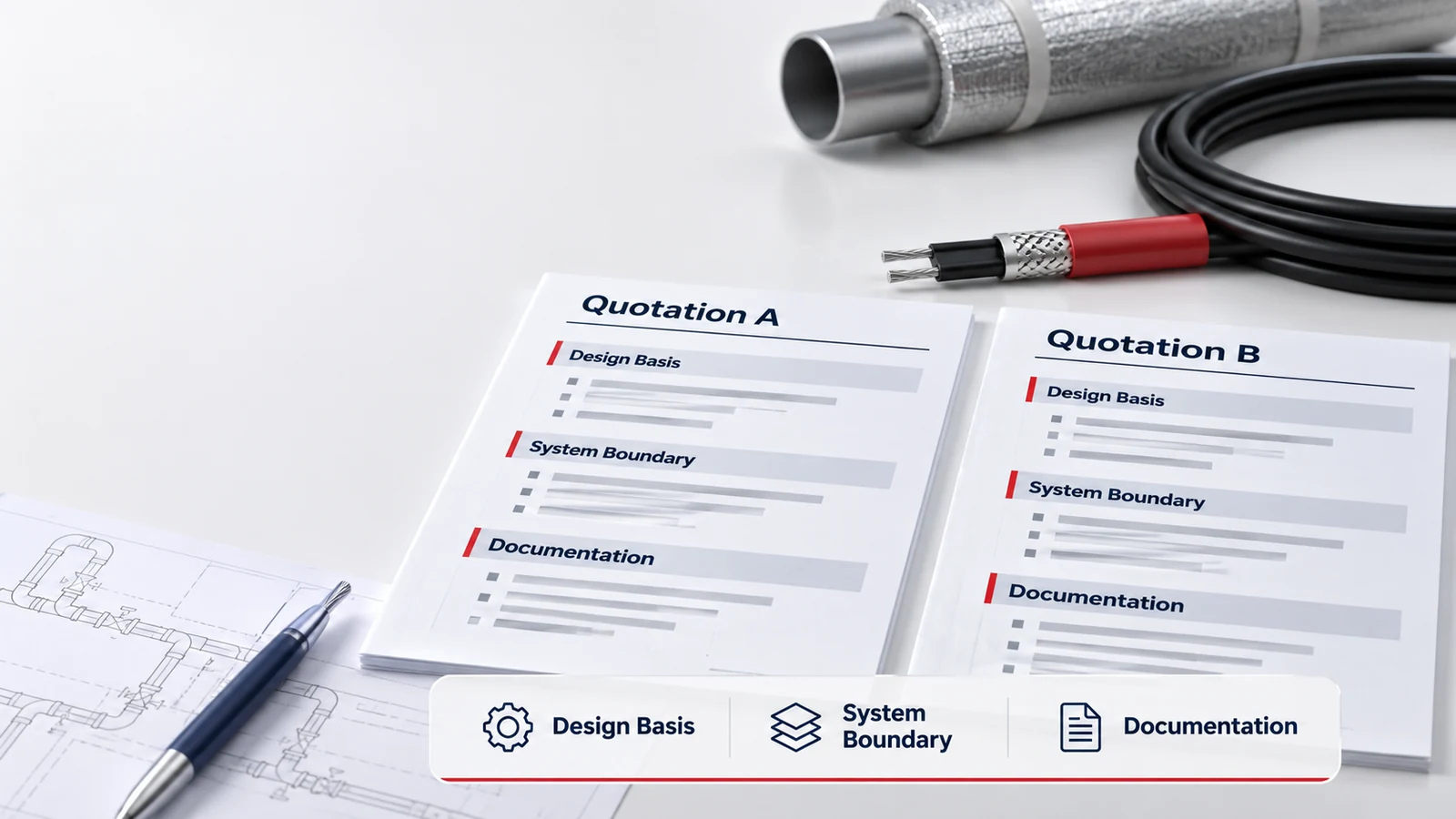
Compare the design basis, exact cable or product model, output reference, temperature limits, circuit assumptions, connection and termination kits, controls, accessories, documentation, certification scope, exclusions and commercial terms.
When should certification be checked?
Check it before technical approval and purchase. Certification should be verified for the exact model, configuration, market and application; a general brand statement is not enough.
Can LONRIHEAT recommend a product from an RFQ checklist?
LONRIHEAT can review the submitted application data and discuss suitable product families and system components. A final recommendation depends on confirmed model-level specifications, compliance requirements and approved quotation documents.
Start with the operating data
Send LONRIHEAT your application, temperature, pipe or equipment, insulation, electrical, environmental, control, accessory, compliance and project-schedule information. If drawings or a line list are available, attach them. The first review can then focus on missing inputs, product-family fit and the quotation boundary before model-level commitments are made.
CTA: Prepare your project data and submit it through the technical project enquiry route. Do not send confidential process information until the receiving channel and confidentiality requirements are agreed.
Sources and attribution boundary
External sources support general design-input principles only. Their product values, certifications and capabilities are not LONRIHEAT claims.
- Chemelex RAYCHEM, Selection Guide for Self-Regulating Heat Tracing Systems: https://pim.chemelex.com/Product%20Documents/Brochures/RAYCHEM-SB-EU0264-SelfRegulating-EN.pdf
- Chemelex RAYCHEM, Engineering Specification for Industrial Electrical Heat-Tracing Systems: https://pim.chemelex.com/Product%20Documents/Engineering%20Specifications/RAYCHEM-ES-H57428-IHS_HeatTraceSpec-EN.pdf
- Thermon, CommTrace Design Tool: https://thermon.com/resources_ext/Commtrace_Design_tool/
- eltherm, Electrical Heat Tracing: https://eltherm.com/en/electrical-heat-tracing/
- LONRIHEAT Company Foundation File, internal supplied source, reviewed 2026-11-17.
Related products
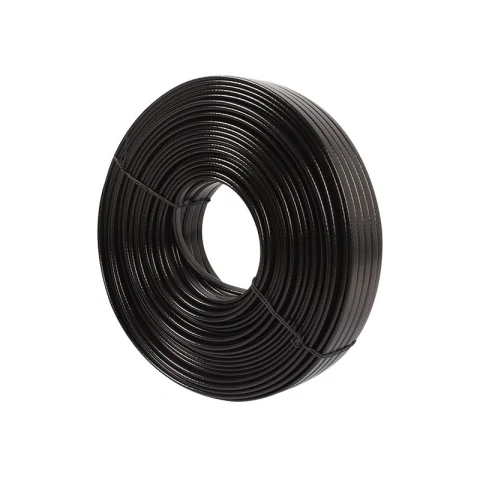 Self-Regulating Heating CablesSelf-regulating heating cable for pipe freeze protection and temperature maintenance. Compare low- and medium-temperature types, then submit your operating conditions for selection.
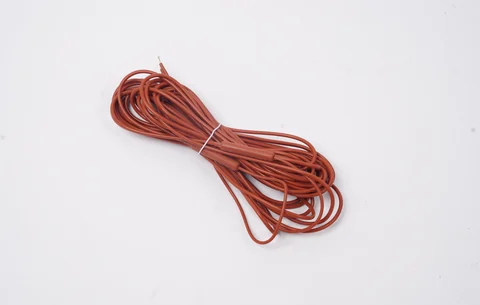
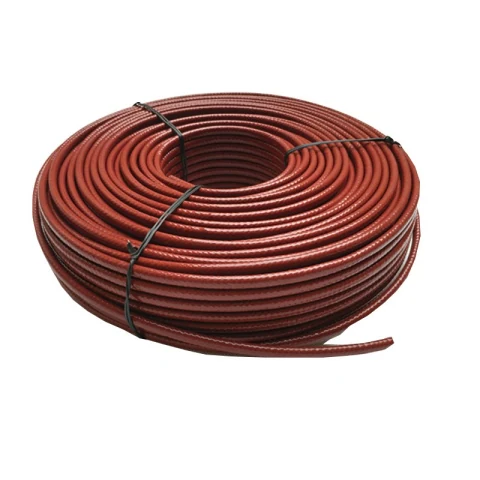 LONRIHEAT Constant wattage heating cableA constant-output product family for project enquiries that require known circuit conditions and installation constraints.
Related answers, products & documents
 Battery & Energy Storage | Development Review
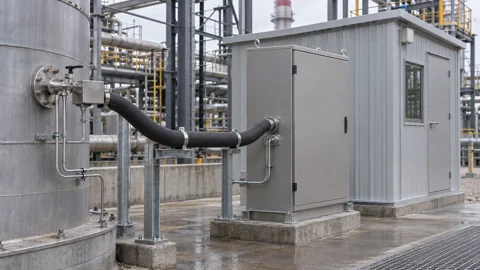 CEMS Heated Sample Lines
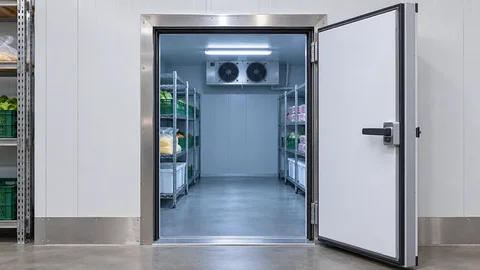 Cold-room door-frame heating
 Ramp & Driveway Snow Melting
 Electric Underfloor Heating
 Fire Sprinkler Freeze Protection
 Industrial Heated Hoses
 Hot Water Temperature Maintenance
 Industrial Pipe Freeze Protection
 Process Temperature Maintenance
 Roof & Gutter De-Icing
 RV Heated Water Hoses
 Stair and entrance snow meltingTank & Vessel Heating
 Heating Cable Quantity Estimator
 What information is needed for a quotation?
 How Should Procurement Compare Two Self-Regulating Heat-Trace Quotations?
 LONRIHEAT Cold-room door heating cable assemblyLONRIHEAT Constant wattage heating cable
 LONRIHEAT Digital-control pre-assembled heating cable
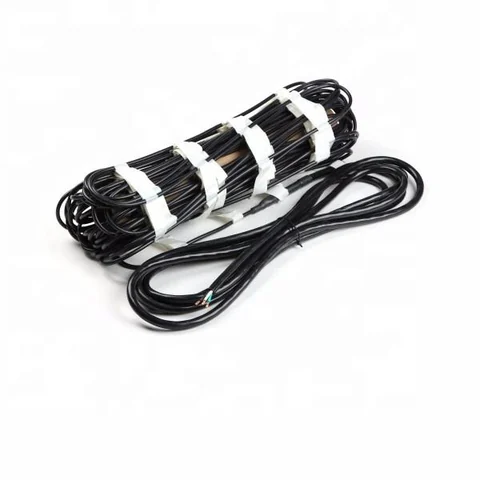 LONRIHEAT Embedded snow-melting cable mats
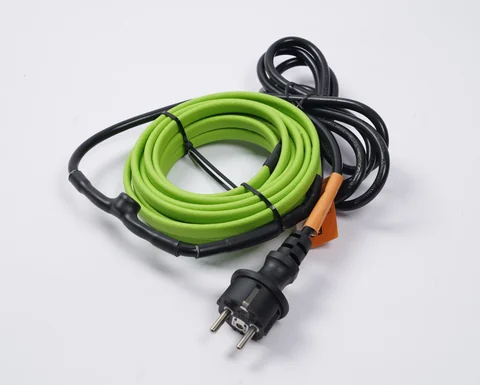 LONRIHEAT European-plug pre-assembled heating cable
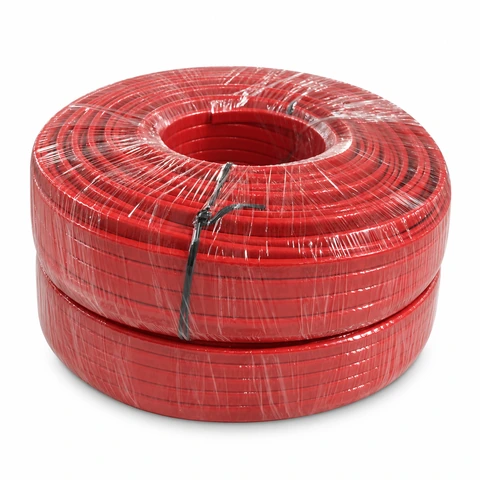 LONRIHEAT LH-GBR High-temperature self-regulating heating cable
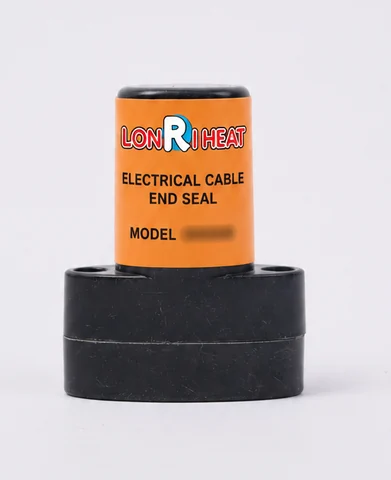 LONRIHEAT Heat tracing end-termination component
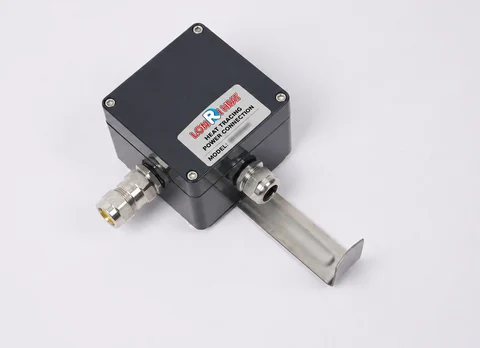 LONRIHEAT Heat tracing power connection box
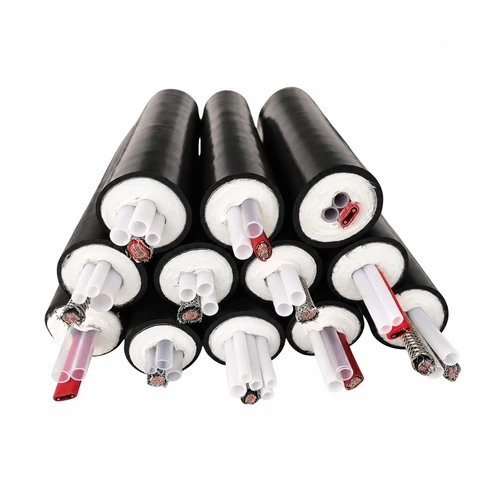 Heated Sample Lines for CEMS
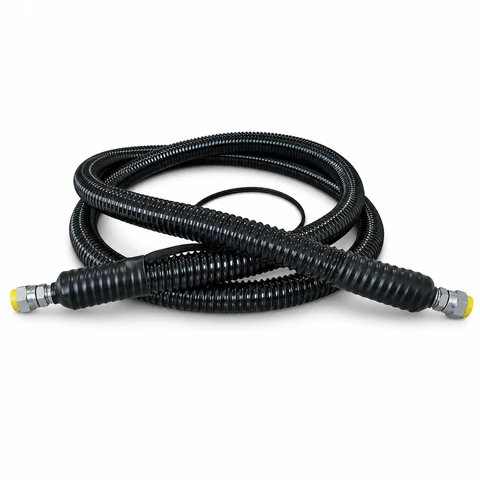 Industrial Heated HosesLONRIHEAT Parallel constant-wattage heating cableLONRIHEAT Series-resistance constant-wattage heating cable
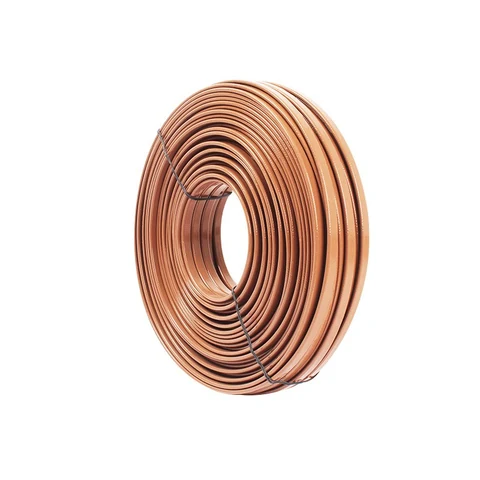 LONRIHEAT Hot-water maintenance heating cableLONRIHEAT Low-voltage heating cable
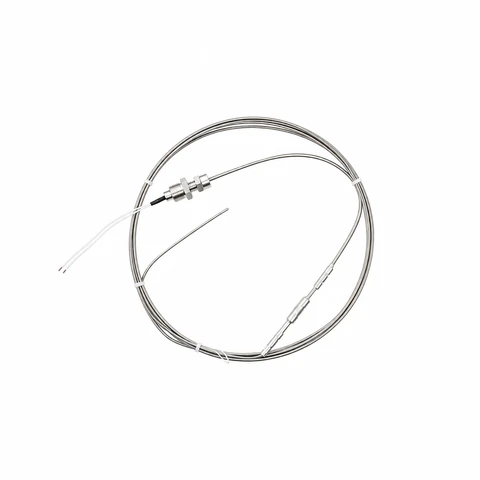 LONRIHEAT Alloy-sheathed mineral-insulated heating cableLONRIHEAT LH-MIC-145B Mineral-insulated heating cableLONRIHEAT LH-MIC-189B Mineral-insulated heating cableLONRIHEAT LH-MIC-216B Mineral-insulated heating cableLONRIHEAT LH-MIC-239B Mineral-insulated heating cableLONRIHEAT LH-MIC-250B Mineral-insulated heating cableLONRIHEAT LH-MIC-279B Mineral-insulated heating cableLONRIHEAT LH-MIC-310B Mineral-insulated heating cableLONRIHEAT LH-MIC-316B Mineral-insulated heating cableLONRIHEAT LH-MIC-326B Mineral-insulated heating cableLONRIHEAT LH-MIC-333B Mineral-insulated heating cableLONRIHEAT LH-MIC-346B Mineral-insulated heating cableLONRIHEAT LH-MIC-372B Mineral-insulated heating cableLONRIHEAT LH-MIC-412B Mineral-insulated heating cableLONRIHEAT LH-MIC-415B Mineral-insulated heating cableLONRIHEAT LH-MIC-423B Mineral-insulated heating cableLONRIHEAT LH-MIC-430B Mineral-insulated heating cableLONRIHEAT LH-MIC-447B Mineral-insulated heating cableLONRIHEAT LH-MIC-556D Mineral-insulated heating cableLONRIHEAT LH-MIC-658D Mineral-insulated heating cableLONRIHEAT LH-MIC-674D Mineral-insulated heating cableLONRIHEAT LH-MIC-693D Mineral-insulated heating cableLONRIHEAT LH-MIC-712D Mineral-insulated heating cableLONRIHEAT LH-MIC-715D Mineral-insulated heating cableLONRIHEAT LH-MIC-721D Mineral-insulated heating cableLONRIHEAT LH-MIC-722D Mineral-insulated heating cableLONRIHEAT LH-MIC-732D Mineral-insulated heating cableLONRIHEAT LH-MIC-742D Mineral-insulated heating cableLONRIHEAT LH-MIC-752D Mineral-insulated heating cableLONRIHEAT LH-MIC-766D Mineral-insulated heating cableLONRIHEAT LH-MIC-774D Mineral-insulated heating cableLONRIHEAT LH-MIC-810D Mineral-insulated heating cableLONRIHEAT LH-MIC-813D Mineral-insulated heating cableLONRIHEAT LH-MIC-818D Mineral-insulated heating cableLONRIHEAT LH-MIC-824D Mineral-insulated heating cableLONRIHEAT LH-MIC-830D Mineral-insulated heating cableLONRIHEAT LH-MIC-838D Mineral-insulated heating cableLONRIHEAT LH-MIC-846D Mineral-insulated heating cableLONRIHEAT LH-MIC-860D Mineral-insulated heating cableLONRIHEAT LH-MIC-866D Mineral-insulated heating cableLONRIHEAT LH-MIC-894D Mineral-insulated heating cableLONRIHEAT LH-MIC-919D Mineral-insulated heating cable
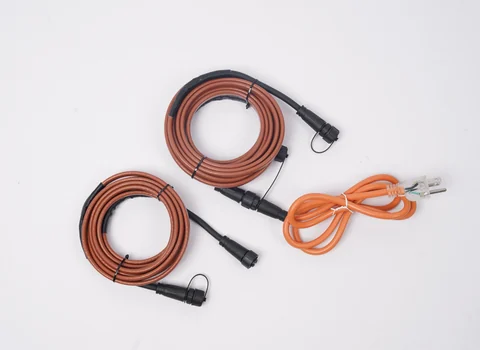 LONRIHEAT Plug-connected pre-assembled heating cable
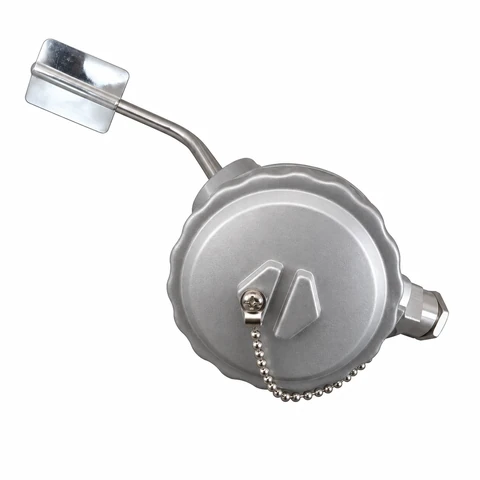 LONRIHEAT PT100 temperature sensor assemblyLONRIHEAT LH-RDP-J4 Constant-wattage heating cable
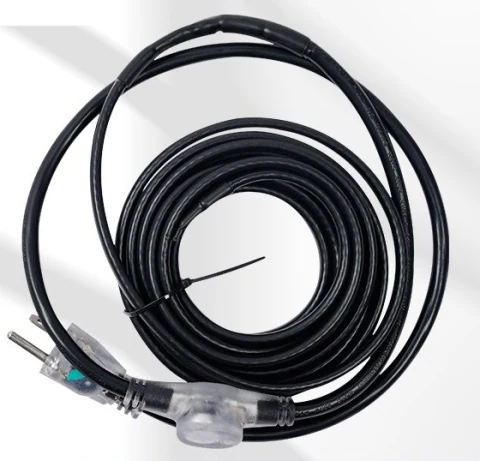 LONRIHEAT Roof and gutter de-icing systems
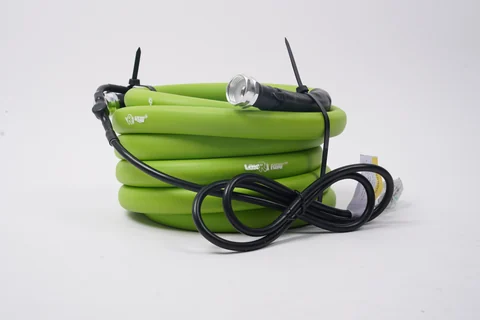 LONRIHEAT Round-profile RV heated water hoseSelf-Regulating Heating CablesLONRIHEAT Skin-effect heat tracing systems
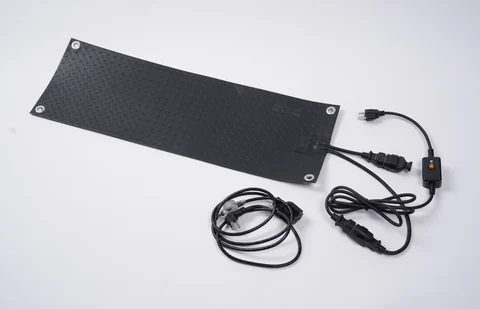 LONRIHEAT Snow-melting matsLONRIHEAT Snow-melting stair mat
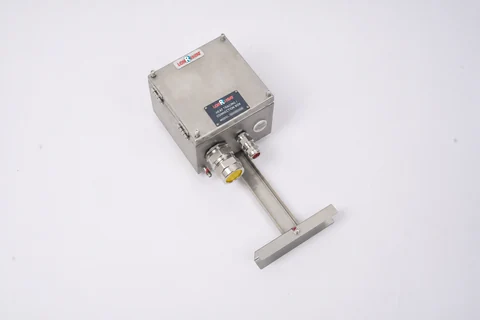 LONRIHEAT Stainless-steel heat tracing connection boxLONRIHEAT Snow-melting heating cables and matsLONRIHEAT Factory-prelaid underfloor heating mats
 Engineering review
 Request a quotation
Continue from this guide
- LONRIHEAT Constant wattage heating cable
- Self-Regulating Heating Cables
- Engineering review
- Request a quotation
- Industrial Pipe Freeze Protection
- Process Temperature Maintenance
- Tank & Vessel Heating
- Fire Sprinkler Freeze Protection
- Commercial buildings
- Fire protection
Discuss the technical conditions · Request a quotation for your project