
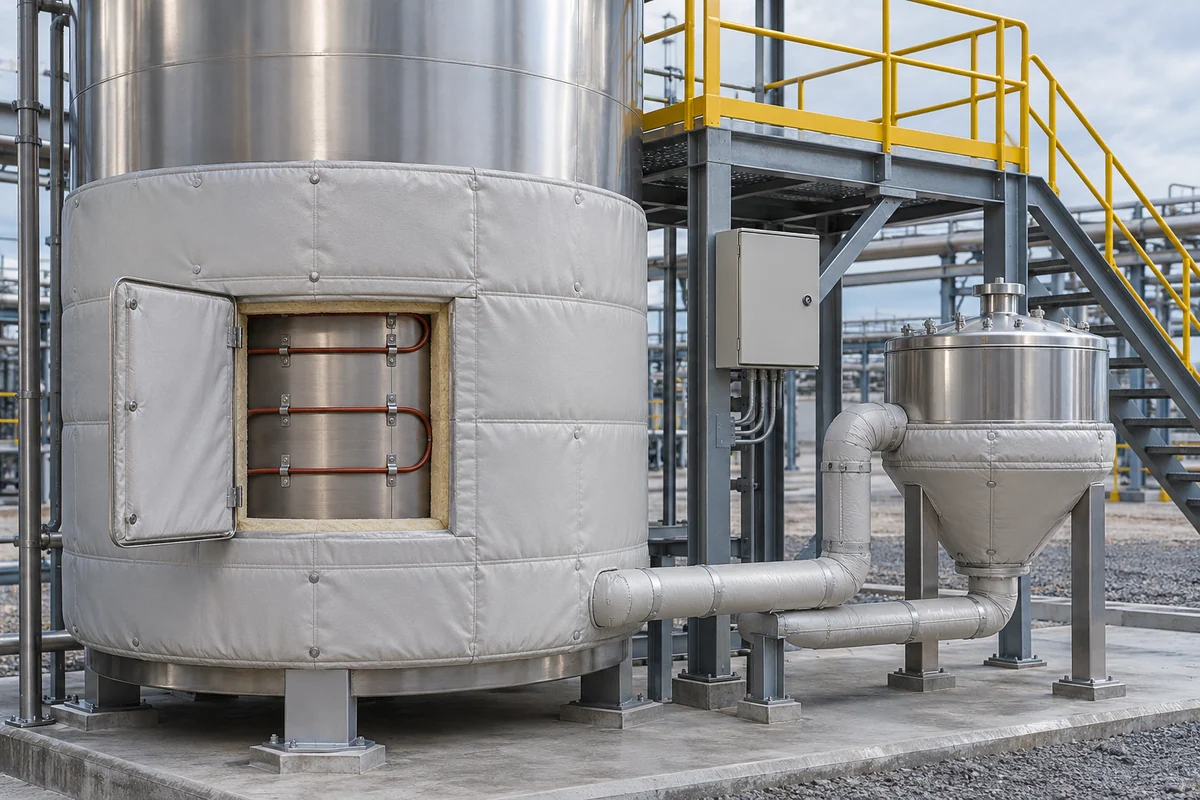
Application and low-temperature risk
Process fluid may cool below its required transport or holding condition during operation, standby or restart.
Equipment or areas to review
Maintain/startup temperatures, flow and duty cycle, maximum exposure/cleaning conditions, equipment geometry, insulation, supply and circuit schedule. Identify each heated zone and the unheated interfaces.
Define the design objective
Distinguish freeze protection, temperature maintenance, heat-up and anti-condensation. State the required condition and operating schedule; each duty needs its own heat balance and acceptance basis.
Compare heating technologies
Compare medium/high-temperature self-regulating, constant-wattage and MI cable against the required maintain temperature, exposure cycle, heat loss and proposed configuration.
Product selection scope
Use the linked product families to compare construction, interfaces and configuration-specific documents. Final model, supply, output, length, temperature limits and accessories must match the proposal.
Controls and sensing
Define sensor location/type, controller logic, zones, startup/load current, protection, alarms and any independent limiter. Agree integration and monitoring responsibilities.
Electrical, environmental and area requirements
Specify destination market, electrical supply, moisture/corrosion, mechanical exposure and any hazardous-area or system-specific approval requirements. Verify the exact configuration and document scope; no site approval is inferred.
Installation structure
For pipe heat tracing, the heater contacts the pipe outer wall beneath insulation. One longitudinal run is at the bottom; two runs occupy the lower quadrants. Confirm the approved arrangement for valves, joints, terminations, fixing, earthing and access.
Design input parameters
Maintain/startup temperatures, flow and duty cycle, maximum exposure/cleaning conditions, equipment geometry, insulation, supply and circuit schedule.
Testing and delivery evidence
Request the proposed data sheet, layout/dimension drawing, wiring and control diagram, installation instructions, component schedule and applicable test or compliance documents. Agree document revision, commissioning records, acceptance criteria and responsibility.
Common purchasing errors
Do not select from nominal W/m alone, treat maximum exposure as maintain temperature, mix configuration limits, omit cold points or substitute one component approval for complete system evidence.
Relevant product families
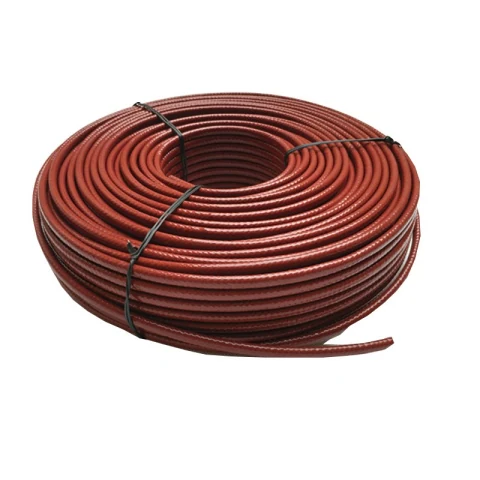 LONRIHEAT Constant wattage heating cableA constant-output product family for project enquiries that require known circuit conditions and installation constraints.
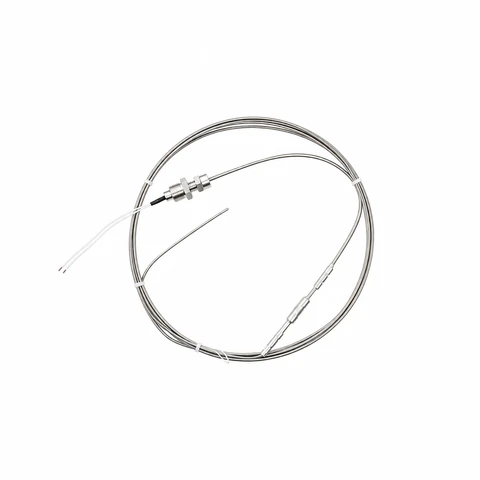 LONRIHEAT Mineral-insulated heating cableReview this product type by its thermal duty, physical construction and complete electrical configuration.
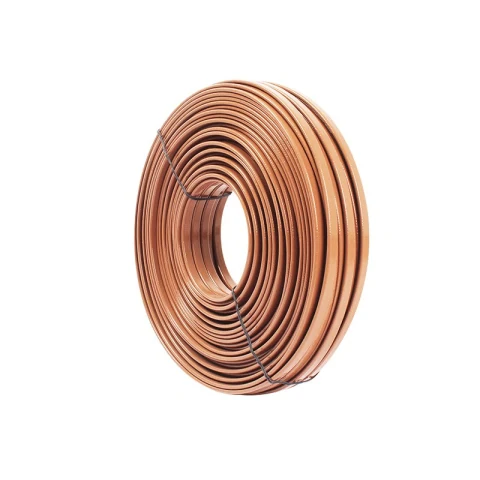 LONRIHEAT Medium-temperature self-regulating heating cableReview this product type by its thermal duty, physical construction and complete electrical configuration.
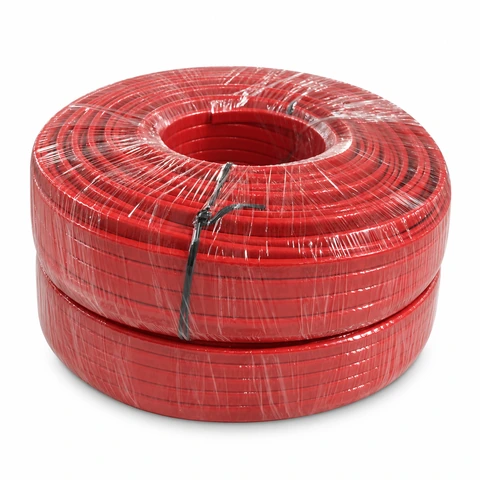 LONRIHEAT LH-GBR High-temperature self-regulating heating cableLH-GBR high-temperature self-regulating heating cable for pipe and equipment duties. Compare maintain temperature, exposure duration, startup conditions and circuit protection together.
Related answers, products & documents
- revision
- MARKET-APPLICATIONS-20261119-V1
- updated
- 2026-11-19
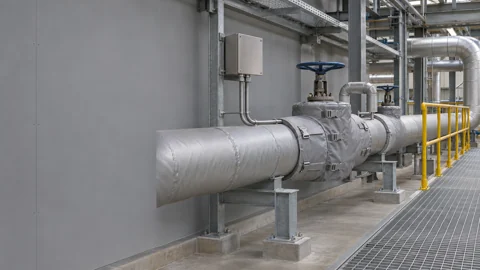 Industrial Heat Tracing & Process Heating
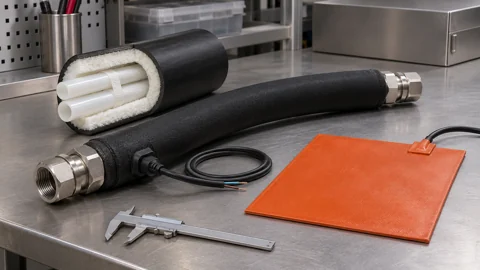 Custom Heating for OEM Equipment
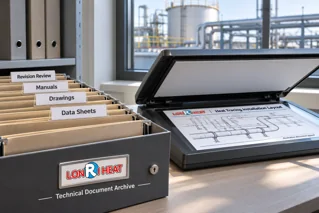 Document register
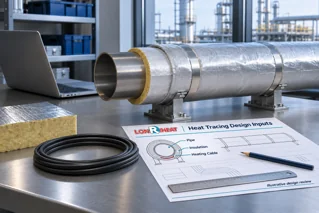 Heat-loss design inputs
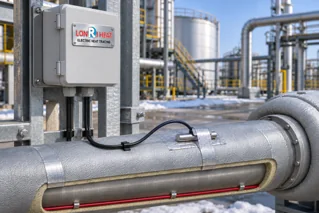 Sensors and control
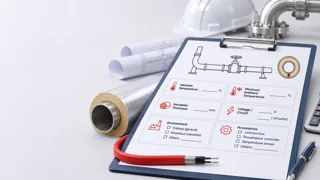 What Information Should Buyers Provide for an Accurate Heat-Tracing Quotation?
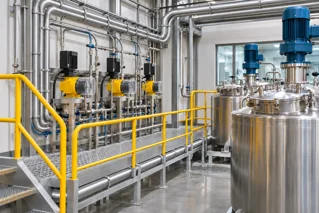 Chemical processing
 Oil & gas
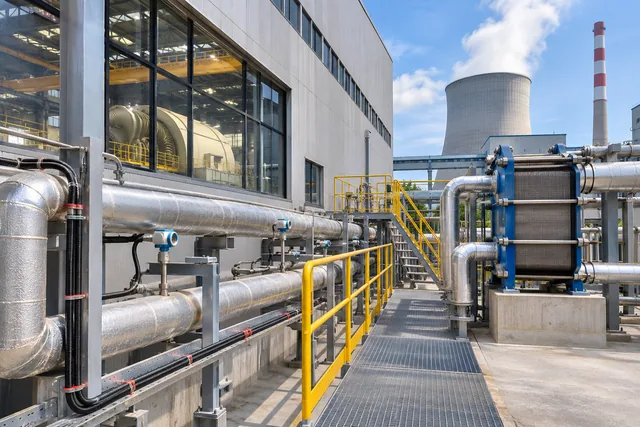 Power generation
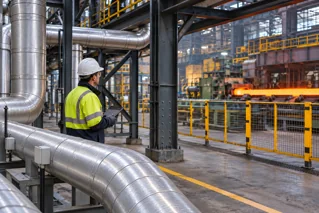 Steel & metallurgyLONRIHEAT Constant wattage heating cable
 LONRIHEAT Controls and system componentsLONRIHEAT LH-GBR High-temperature self-regulating heating cable
 LONRIHEAT Low-temperature self-regulating heating cableLONRIHEAT Medium-temperature self-regulating heating cableLONRIHEAT Mineral-insulated heating cable
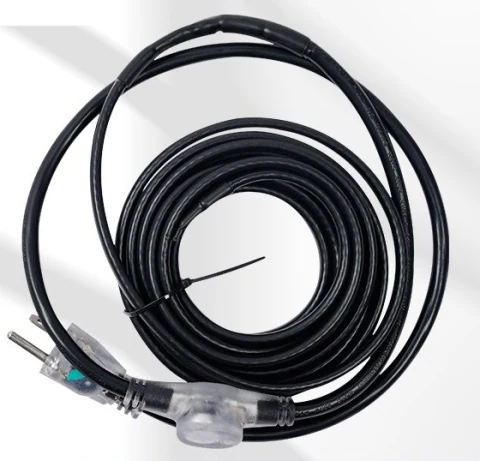 LONRIHEAT Pre-assembled heat tracing cable
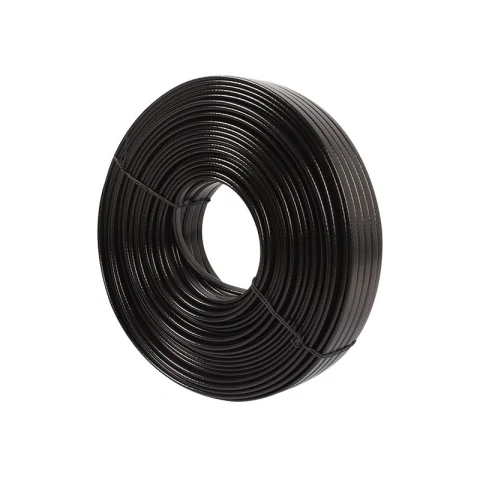 Self-Regulating Heating Cables
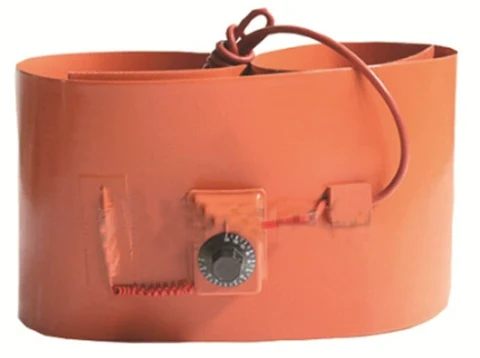 LONRIHEAT Silicone Heating
 Engineering review
Industry pathway: Chemical processing →
Industry pathway: Steel & metallurgy →
Industry pathway: Power generation →
Additional application details
Problem and design purpose
Maintain a defined process duty through operation and shutdown.
Required inputs
Maintain/startup/heat-up duty, exposure/cleaning, fluid/flow, insulation, supply, controls and circuit.
System architecture
Define heater, supply/protection, controls/sensors, terminations, fixing, insulation and access.
Risks and limitations
Static maintenance is different from heating a flowing medium. Energized/de-energized exposure and restart must be defined.
Verification and handover
Retain the selected configuration, conditioned output/limits, accessory schedule, drawing, installation/test plan and destination-market documents. Agree open inputs and responsibility.
Buyer review checklist
How do I maintain temperature in a chemical process line? How does hot-water temperature maintenance differ from pipe freeze protection?
See how the heating fits the application
Review the physical product and interfaces
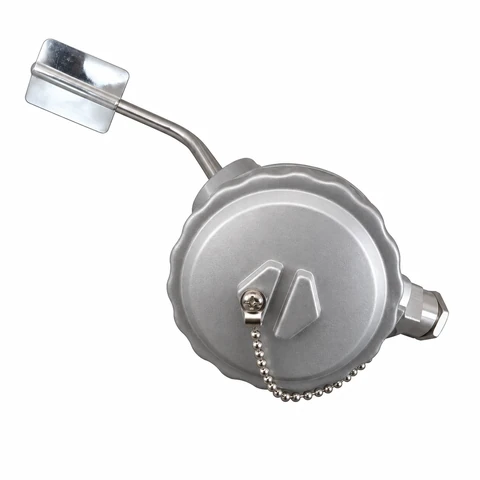
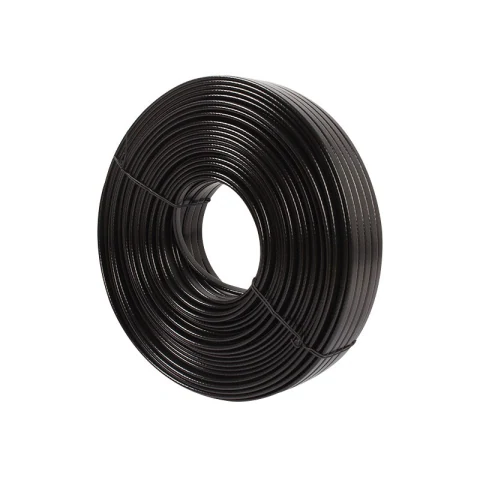
These supplied product photographs show physical examples. Application suitability, exact specifications and compliance remain specific to the offered configuration.
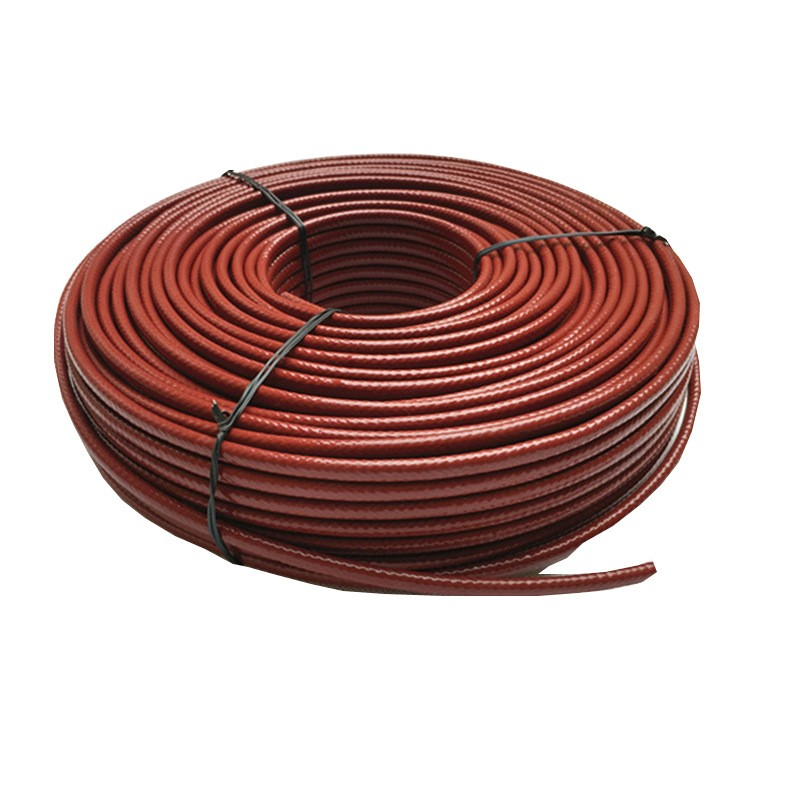
Company-supplied representative product photograph. Original colours, plug and fitting geometry retained. Confirm the exact order configuration.
LONRIHEAT Constant wattage heating cable →
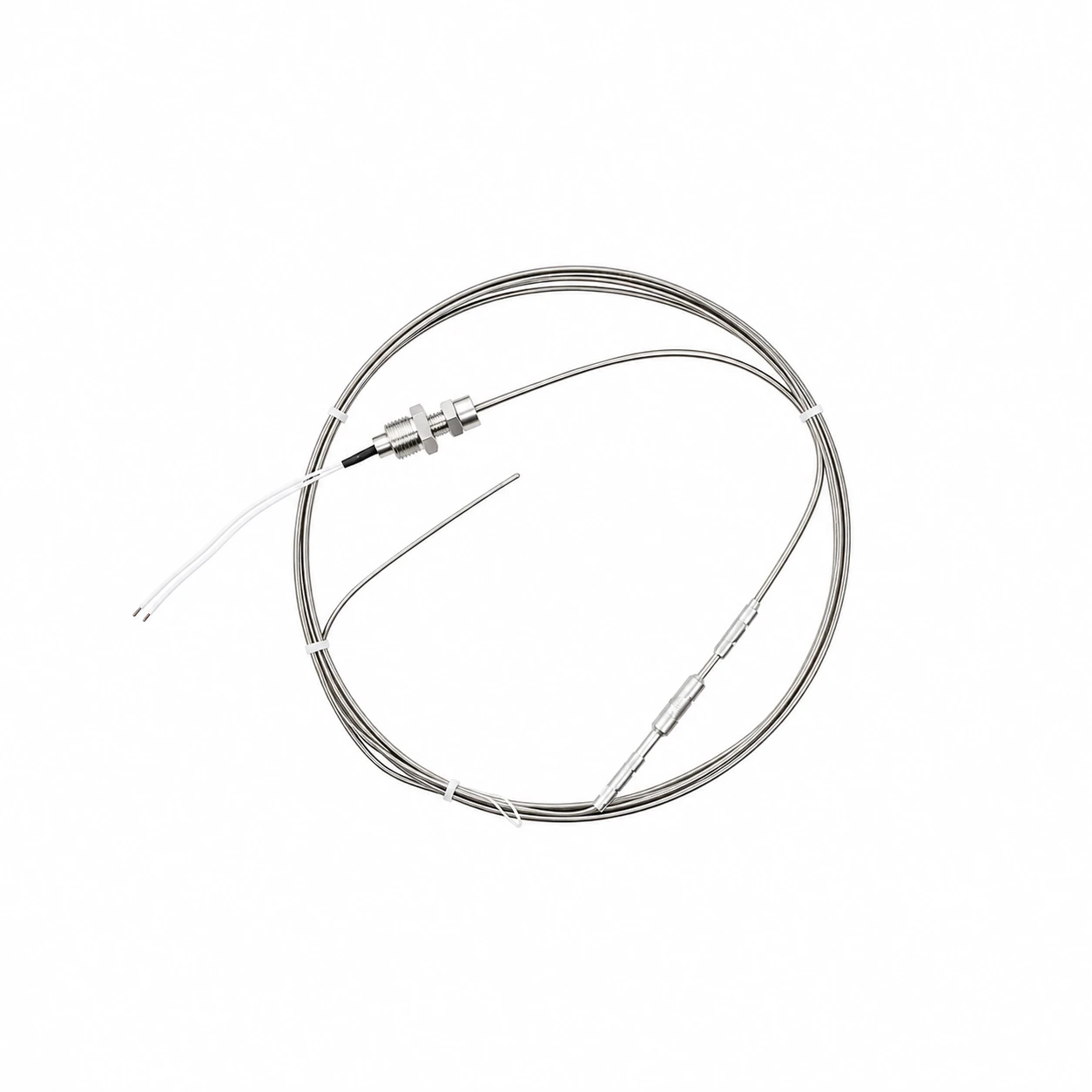
Supplied product photograph. Review the complete assembly and interfaces in the detail views below.
LONRIHEAT Mineral-insulated heating cable →
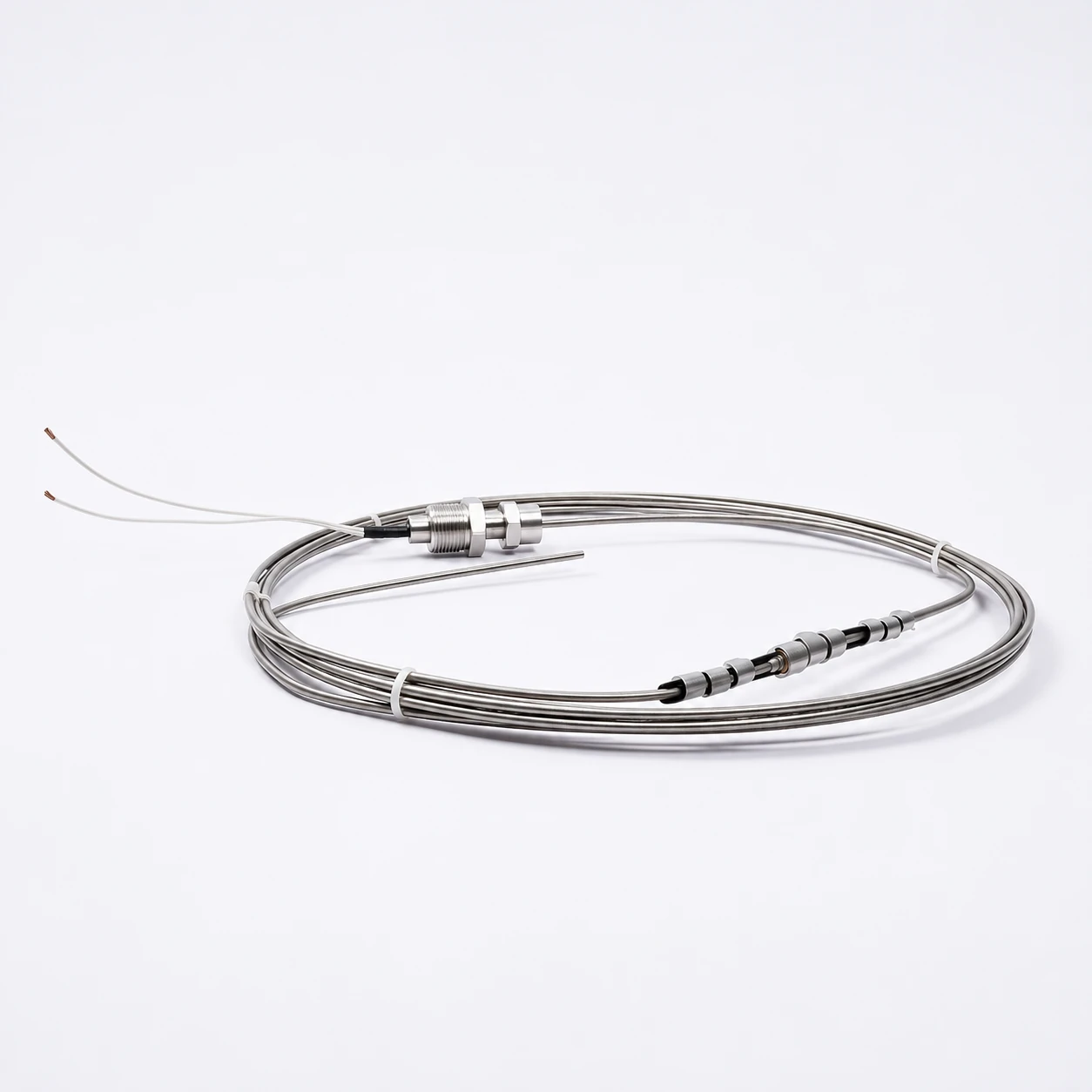
MI cable assembly from another angle.
Review the complete product configuration →
RFQ technical information
Share what is known and identify missing inputs. Submission requests a technical review; it does not establish a final design or approval.
- Application / equipment
- Describe the duty and attach a drawing
- Design conditions
- Maintain/startup temperatures, flow and duty cycle, maximum exposure/cleaning conditions, equipment geometry, insulation, supply and circuit schedule.
- Supply / control
- Voltage/frequency, zones, sensor/controller and protection
- Commercial / evidence
- Company, email, quantity, destination, timing and required documents
Application FAQ
Can this application be selected from one temperature or power figure?
Define the complete design basis and interfaces first. Maintain temperature, exposure conditions, supply, geometry, insulation and controls must be assessed together.
Do the linked products prove approval for this application?
No. Verify the proposed model and complete configuration against its documents and the destination requirements. A product-family link is a selection path, not an application approval.
What should I send for engineering review?
Maintain/startup temperatures, flow and duty cycle, maximum exposure/cleaning conditions, equipment geometry, insulation, supply and circuit schedule. Include drawings/photos, quantity, destination and the requested deliverables; mark unknown inputs.
Get selection or project review
Results from preliminary tools are for reference and recommendations only. Final quantities and specifications must follow the engineer-approved design.
Open the preliminary quantity estimator · Contact the export team