Specification notes
| Publication level | Product family; model schedule pending |
|---|---|
| Typical buyer task | Process maintenance or defined heat input |
| Selection inputs | Required temperature, voltage, circuit length, installation, controls and environment |
| Controlled data required | Construction, output basis, temperature limits, circuit design, accessories and approvals |
| Order model | Confirmed in the approved quotation and technical specification |
Buyer value and selection decision
Identify whether the duty needs a parallel zoned heater or an engineered series circuit, then define length, controls and temperature limits before purchase.
Parallel versus series
Parallel zoned heating and engineered series resistance have different length/cutting and installation rules.
Source families
reference configuration/reference configuration and reference configuration/2/3 are catalogue reference families. Do not assume they are equivalent to RDP2-J4.
Controls and limits
Use the exact source conditions and controlled assembly review; do not overlap parallel CW or change a series circuit length without design approval.
Configuration inputs
Heated length; supply; required heat input; maintain/exposure and energized state; circuit arrangement; insulation; controls; cutting/termination and installation restrictions.
Construction review
Identify parallel bus/zoned heating or series resistance, insulation, braid and jacket. The two arrangements have different cutting and electrical design rules.
Compare under equal conditions
Normalize voltage, total heated length, output reference, control scope and accessories. Parallel cutting zones and series resistance cannot be treated as interchangeable.
Buyer role and next step
Engineering/EPC: confirm duty, selection and system interfaces. Procurement: confirm complete configuration, quantity, document scope and target date. Quality: review model evidence and revision. Installation/maintenance: use current instructions and preserve identification. OEM/private label: agree the prototype and production baseline.
A practical path to your purchasing decision
Review the published product type and any child-series entries first. Compare the required heat duty, supply voltage, circuit construction, permitted cutting or termination rules and control arrangement. Use the comparison with self-regulating cable to identify which conditions change the selection.
Read “Self-regulating or constant wattage: what should a buyer compare?” using the links below. Then review the linked application as a design-input checklist, not as a claim of verified suitability. Use “Supplier qualification and document checklist” to prepare the supplier-evidence questions. Any shared guide provides a review checklist, not proof that this product has the listed documents or approvals.
Before requesting a quotation, provide the product type or full model if known, quantity, destination, equipment/application, dimensions, supply, thermal duty where applicable, required interfaces, controls and documents. Mark unknown inputs for engineering review.
What is available and what still needs confirmation
This page provides product-type information and company-supplied representative photographs. The image does not confirm the exact configuration, performance or certification. Do not apply self-regulating cable cutting or overlap assumptions to a constant-wattage construction.
Confirm the complete order model, configuration-specific specifications, current drawings, installation/control instructions and applicable testing or compliance records against controlled company documents. Manufacturing and testing guidance is a checklist for review, not proof of production capacity or a completed customer project. Request missing records before finalizing the order.
What do I need to confirm before choosing this product?
Heated length; supply; required heat input; maintain/exposure and energized state; circuit arrangement; insulation; controls; cutting/termination and installation restrictions.
Engineering
Applications
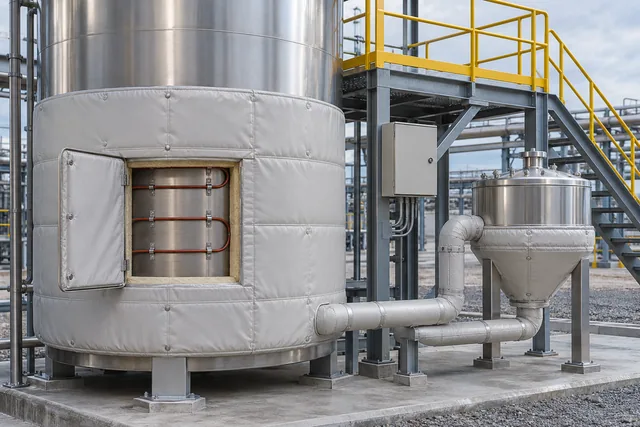 Process Temperature MaintenanceMaintain the required process temperature across pipes and fittings where cooling can affect flow or product consistency.Tank & Vessel HeatingReview losses, contents and allowable surface temperature together.
FAQ
Selection guides
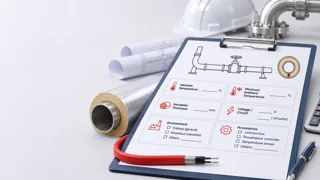 What Information Should Buyers Provide for an Accurate Heat-Tracing Quotation?An accurate heat-tracing quotation needs more than cable length and watts per metre. This checklist helps buyers define the application, temperatures, pipework, insulation, power, environment, controls, accessories, documentation and commercial scope before comparing suppliers.
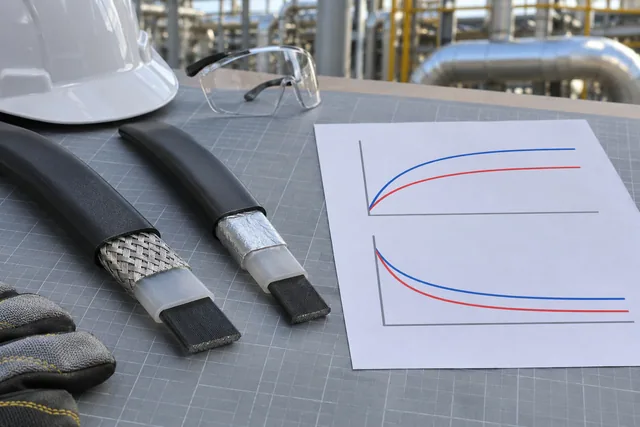 Self-regulating or constant wattage: what should a buyer compare?Compare decision inputs rather than selecting from a generic product label.
Product photographs and details
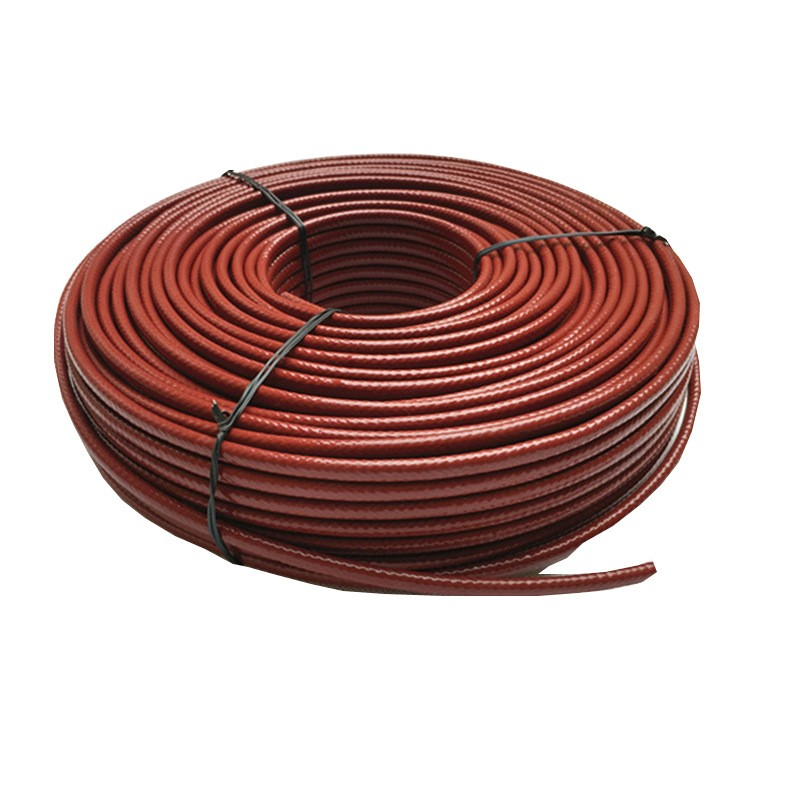
Choose a series within this family
Compare the published product types below. Confirm the complete configuration and applicable documents before ordering.
| Series / type | Selection purpose | Published specification notes |
|---|---|---|
| LONRIHEAT Parallel constant-wattage heating cable | Parallel constant-wattage heating cable for defined pipe and tank heating circuits. Check heating-zone length, permitted cutting points, supply and temperature control requirements. | Product type: Parallel constant-wattage heating cable; Selection basis: Application, supply, required heat input, heated length and environmental conditions; Temperature definition: Maintain, continuous exposure and intermittent exposure with energized state and duration; Circuit definition: Startup/load current, circuit length, protection, control and terminations |
| LONRIHEAT Series-resistance constant-wattage heating cable | Series-resistance heating cable for engineered pipe and equipment circuits. Specify heated length and supply together so circuit resistance and heating output can be reviewed. | Product type: Series-resistance constant-wattage heating cable; Selection basis: Application, supply, required heat input, heated length and environmental conditions; Temperature definition: Maintain, continuous exposure and intermittent exposure with energized state and duration; Circuit definition: Startup/load current, circuit length, protection, control and terminations |
| LONRIHEAT LH-RDP-J4 Constant-wattage heating cable | LH-RDP-J4 constant-wattage heating cable for project-specific pipe and equipment heating. Define the supply, heated length, heat duty and temperature conditions before selecting a configuration. | Product type: LH-RDP-J4 Constant-wattage heating cable; Selection basis: Application, supply, required heat input, heated length and environmental conditions; Temperature definition: Maintain, continuous exposure and intermittent exposure with energized state and duration; Circuit definition: Startup/load current, circuit length, protection, control and terminations |
Application pathways
Engineering decisions
Buyer guides for this product family
What Information Should Buyers Provide for an Accurate Heat-Tracing Quotation?An accurate heat-tracing quotation needs more than cable length and watts per metre. This checklist helps buyers define the application, temperatures, pipework, insulation, power, environment, controls, accessories, documentation and commercial scope before comparing suppliers.Self-regulating or constant wattage: what should a buyer compare?Compare decision inputs rather than selecting from a generic product label.Engineering specification card
Product Identity
LONRIHEAT Constant wattage heating cable | CW | internal record LHP-24980D7728E5 | source reference Company product-type materials; configuration confirmed in approved quotation | controlled order model: pending
Operating Envelope
Publication level: Product family; model schedule pending; Typical buyer task: Process maintenance or defined heat input; Selection inputs: Required temperature, voltage, circuit length, installation, controls and environment; Controlled data required: Construction, output basis, temperature limits, circuit design, accessories and approvals; Order model: Confirmed in the approved quotation and technical specification
Construction
Identify parallel bus/zoned heating or series resistance, insulation, braid and jacket. The two arrangements have different cutting and electrical design rules.
Engineering Conditions
Heated length; supply; required heat input; maintain/exposure and energized state; circuit arrangement; insulation; controls; cutting/termination and installation restrictions.
Compliance Scope
Refer to the exact approved model and applicable document scope.
Selection & Inquiry
Identify whether the duty needs a parallel zoned heater or an engineered series circuit, then define length, controls and temperature limits before purchase.
Request specifications
Series and individual model details
Open an entry for its configuration-specific data. Source model references are not automatically approved company order codes.
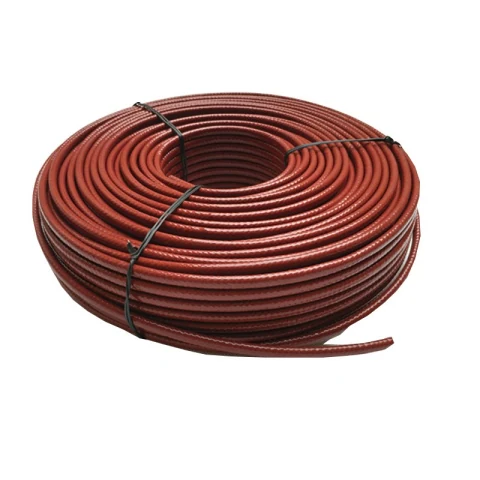 LONRIHEAT LH-RDP-J4 Constant-wattage heating cableLH-RDP-J4 constant-wattage heating cable for project-specific pipe and equipment heating. Define the supply, heated length, heat duty and temperature conditions before selecting a configuration.LONRIHEAT Parallel constant-wattage heating cableParallel constant-wattage heating cable for defined pipe and tank heating circuits. Check heating-zone length, permitted cutting points, supply and temperature control requirements.LONRIHEAT Series-resistance constant-wattage heating cableSeries-resistance heating cable for engineered pipe and equipment circuits. Specify heated length and supply together so circuit resistance and heating output can be reviewed.
Related answers, products & documents
- revision
- LPIA-V2.1-CATALOGUE
- updated
- 2026-11-16
 LONRIHEAT® | Electric Heat Tracing & Heating
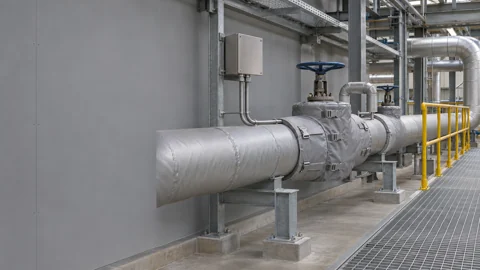 Industrial Pipe Freeze ProtectionProcess Temperature MaintenanceTank & Vessel Heating
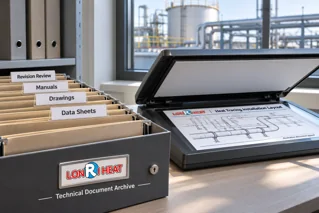 Document register
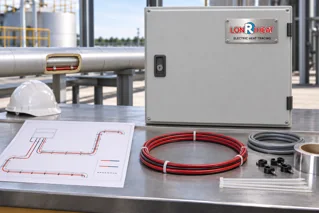 Circuit length and protection
 Heating Cable Quantity Estimator
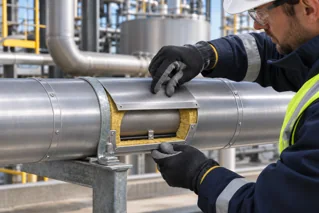 Installation and commissioning
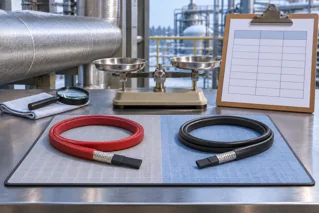 Supplier comparison
 What this local website does and does not claim
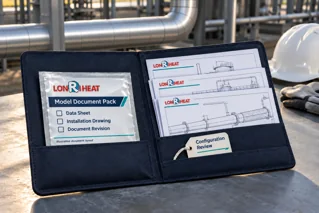 Model-level technical document packWhat Information Should Buyers Provide for an Accurate Heat-Tracing Quotation?Self-regulating or constant wattage: what should a buyer compare?
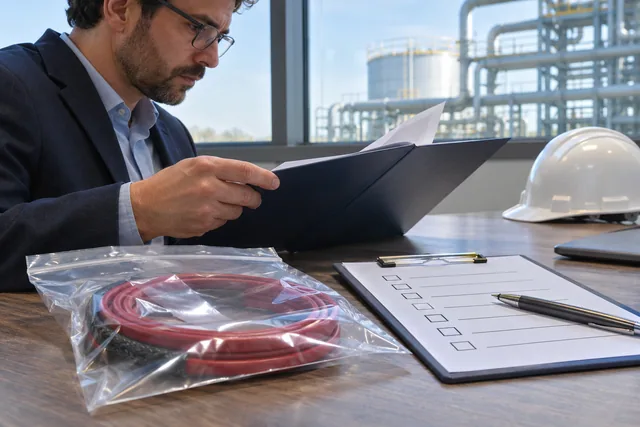 Supplier qualification and document checklistLONRIHEAT Parallel constant-wattage heating cableLONRIHEAT Series-resistance constant-wattage heating cableLONRIHEAT LH-RDP-J4 Constant-wattage heating cable
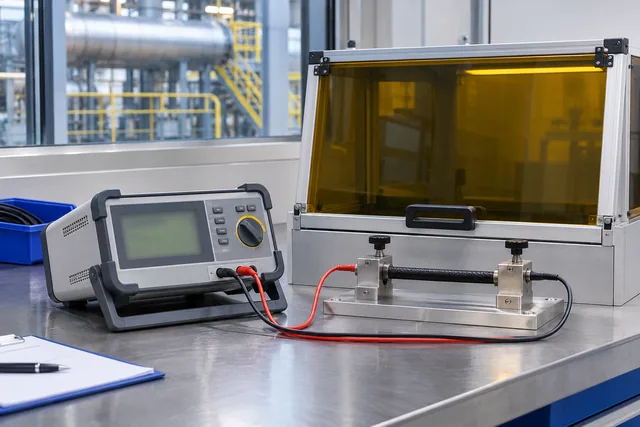 Quality & compliance
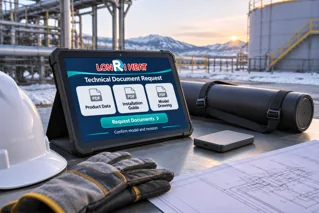 Request documents
 Engineering review
 Request a quotation
Prepare your configuration enquiry
Product family: Heat Tracing Cables.
Download the configuration enquiry worksheet (CSV) · Request the applicable model datasheet and quotation