Specification notes
| Publication level | Product family; model schedule pending |
|---|---|
| Typical buyer task | Freeze protection or temperature maintenance |
| Selection inputs | Equipment data, temperatures, voltage, insulation, environment and circuit conditions |
| Controlled data required | Output curves, exposure limits, start-up current, circuit limits, accessories and model-level compliance |
| Order model | Confirmed in the approved quotation and technical specification |
Buyer value and selection decision
Narrow the selection using the required maintain temperature, maximum exposure, available supply, startup condition and circuit, rather than choosing by W/m alone.
Selection
Review maintain/exposure, electrical supply, output reference temperature, startup/circuit, jacket, medium, installation and market documents.
System and proof
Specify controls, sensors, connections, terminations, protection and insulation; map every claim to its configuration and evidence.
Configuration inputs
Pipe/equipment dimensions and material; fluid; maintain and exposure temperatures with energized state; minimum ambient; insulation; supply; length; environment; protection and control.
Construction review
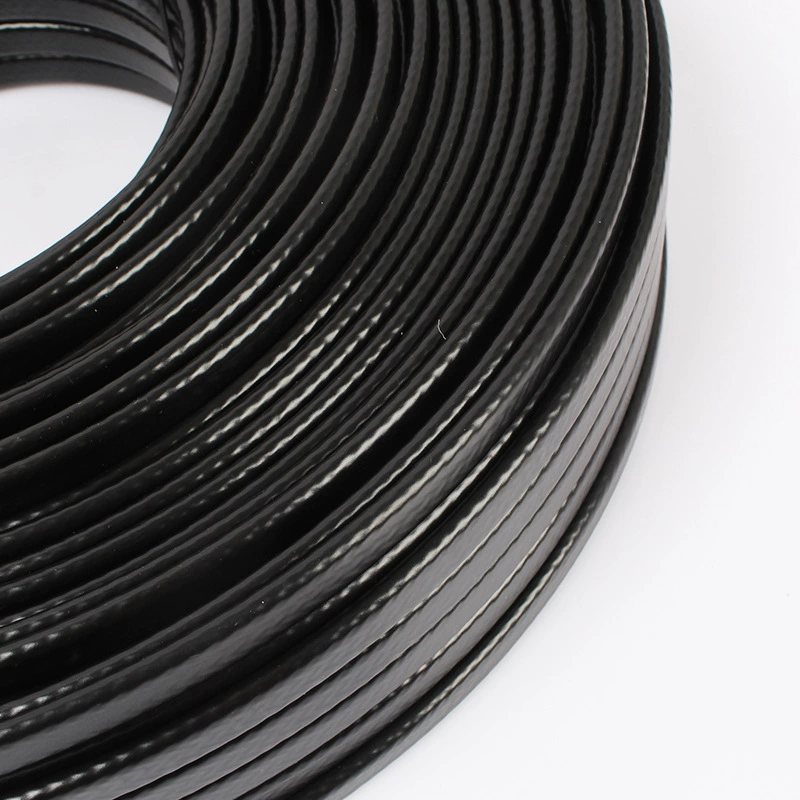
Identify the bus conductors, PTC core, insulation, braid and jacket. A source cross-section illustrates that construction only; confirm the exact material/configuration.
Compare under equal conditions
Compare low/medium/high-temperature, low-voltage and hot-water duties using the same reference conditions. Do not equate source series names or infer steam/chemical suitability.
Buyer role and next step
Engineering/EPC: confirm duty, selection and system interfaces. Procurement: confirm complete configuration, quantity, document scope and target date. Quality: review model evidence and revision. Installation/maintenance: use current instructions and preserve identification. OEM/private label: agree the prototype and production baseline.
A practical path to your purchasing decision
Start with the low- and medium-temperature product-type pages to identify a candidate. A product-type name does not confirm a complete order model.
Use the Engineering decisions below to review heat-loss inputs, cold startup, circuit limits and controls. Then read “Self-regulating or constant wattage: what should a buyer compare?” to compare selection conditions rather than nominal output alone.
Follow Application pathways and Industry requirements to check the equipment duty and installation conditions. Next, use “Model-level technical document pack” and “Supplier qualification and document checklist” to prepare the records needed for technical and supplier review.
Finish with “Heat-tracing quotation checklist”. Submit the product type or full model if known, quantity, destination, application, temperatures, supply, dimensions, insulation and required documents. Mark unknown items for engineering review.
What is available and what still needs confirmation
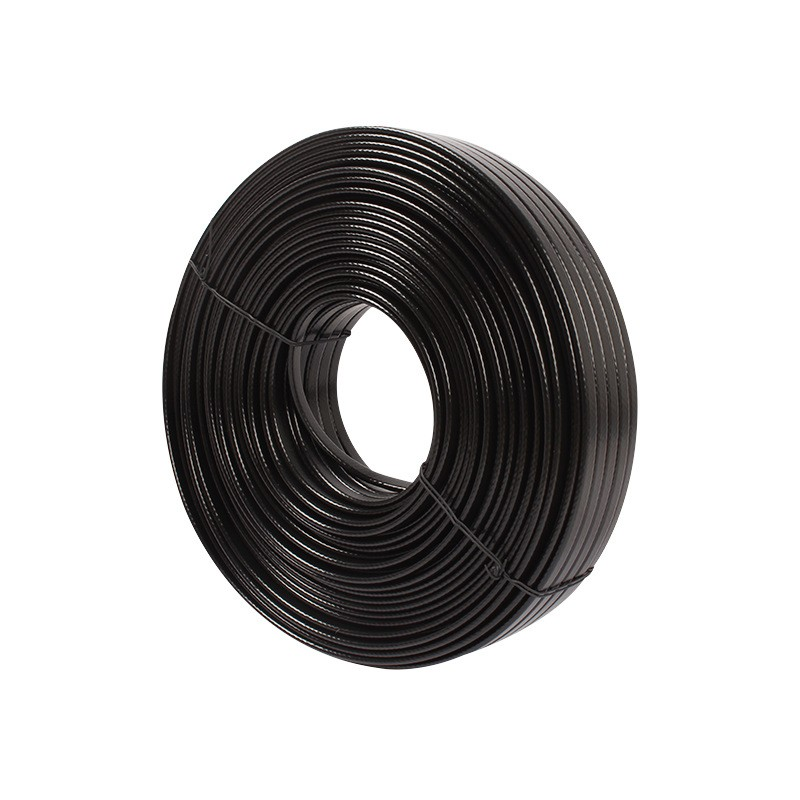
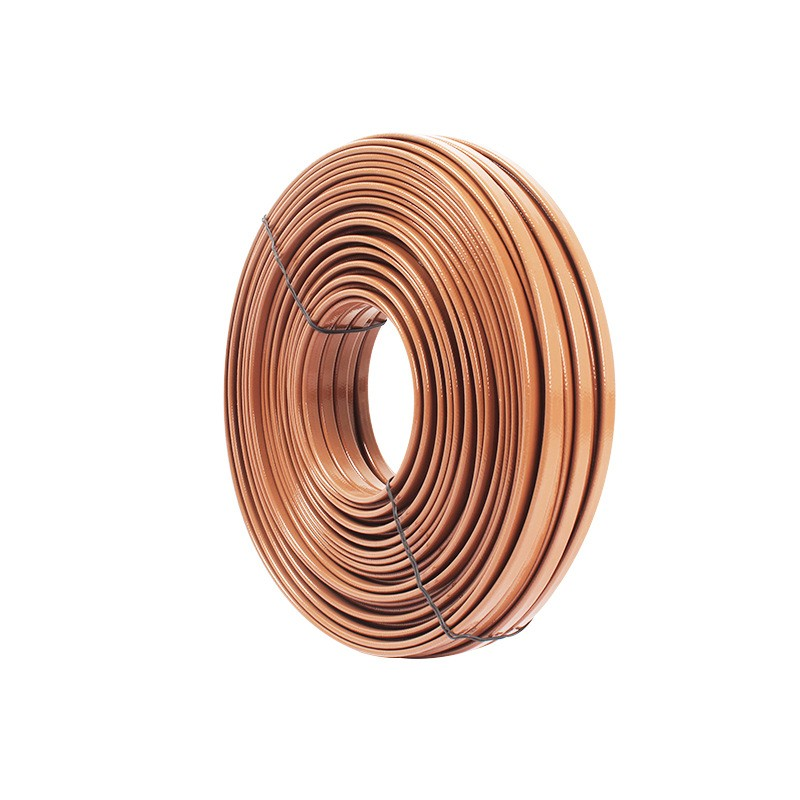
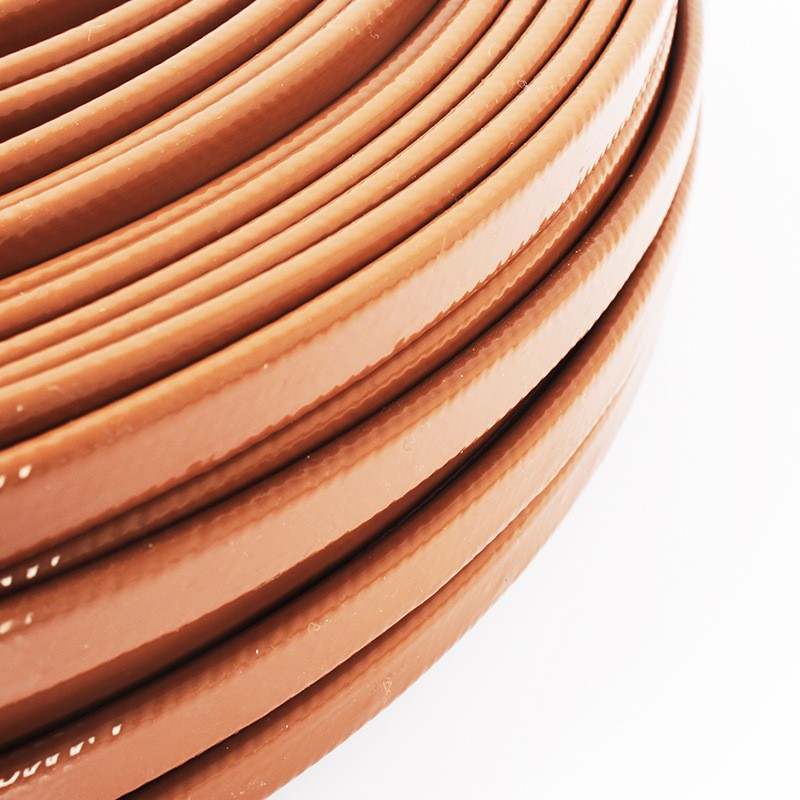
This page provides product-family information, company-supplied representative photographs and links to selection guidance. The photographs do not establish an exact order configuration, product performance or certification.
The approved complete order model, configuration-specific output curves, current drawings, test records and applicable compliance scope must be confirmed against controlled company documents. Manufacturing and testing guidance describes what to verify; it is not itself proof of capacity, certification or a completed customer project.
Review the company information, quality guidance and document register linked below. Request missing evidence before approving a supplier or finalizing an order.
What do I need to confirm before choosing this product?
Pipe/equipment dimensions and material; fluid; maintain and exposure temperatures with energized state; minimum ambient; insulation; supply; length; environment; protection and control.
Engineering
Industries
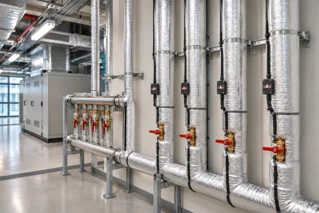 Commercial buildingsReview the actual duties and qualification documents for this sector.
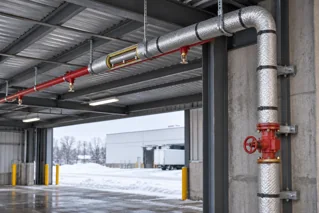 Fire protectionReview the actual duties and qualification documents for this sector.
Applications
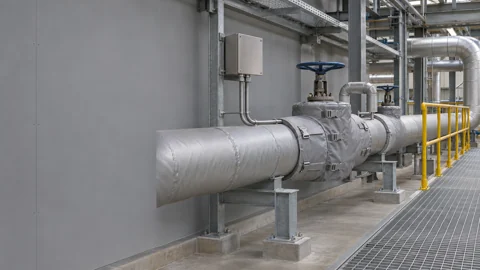 Industrial Pipe Freeze ProtectionProtect exposed piping, valves and other cold spots with heat tracing designed around pipe size, insulation and site conditions.
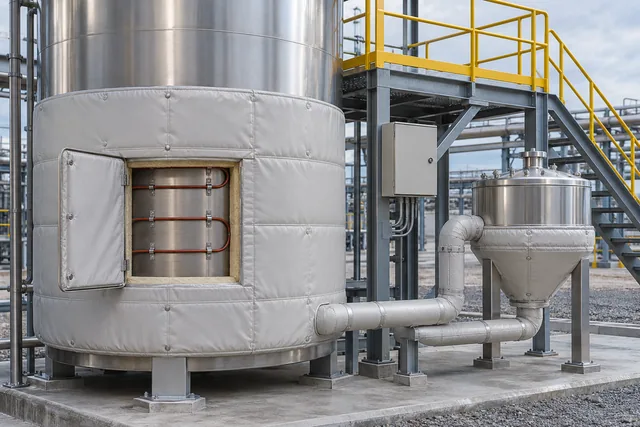 Tank & Vessel HeatingReview losses, contents and allowable surface temperature together.
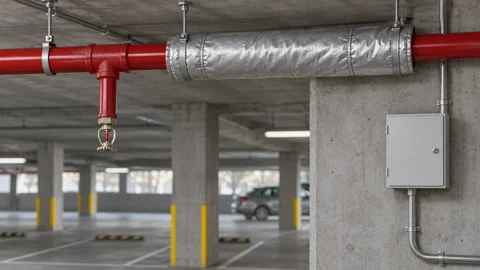 Fire Sprinkler Freeze ProtectionStart with the exposed sprinkler sections, then review heat tracing, insulation, monitoring and applicable project requirements together.
FAQ
Selection guides
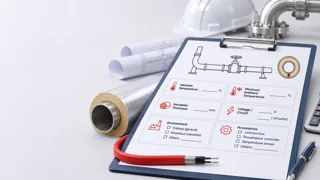 What Information Should Buyers Provide for an Accurate Heat-Tracing Quotation?An accurate heat-tracing quotation needs more than cable length and watts per metre. This checklist helps buyers define the application, temperatures, pipework, insulation, power, environment, controls, accessories, documentation and commercial scope before comparing suppliers.
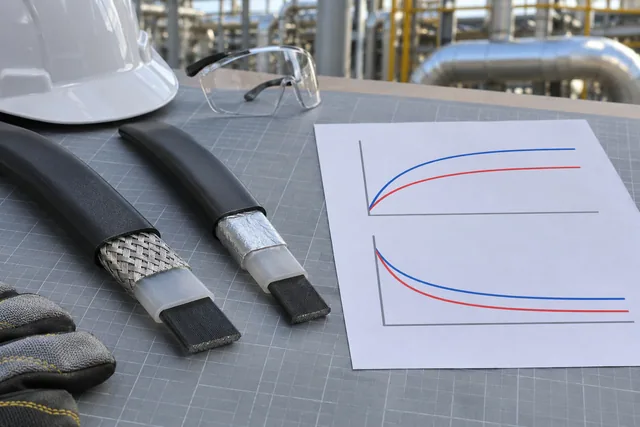 Self-regulating or constant wattage: what should a buyer compare?Compare decision inputs rather than selecting from a generic product label.
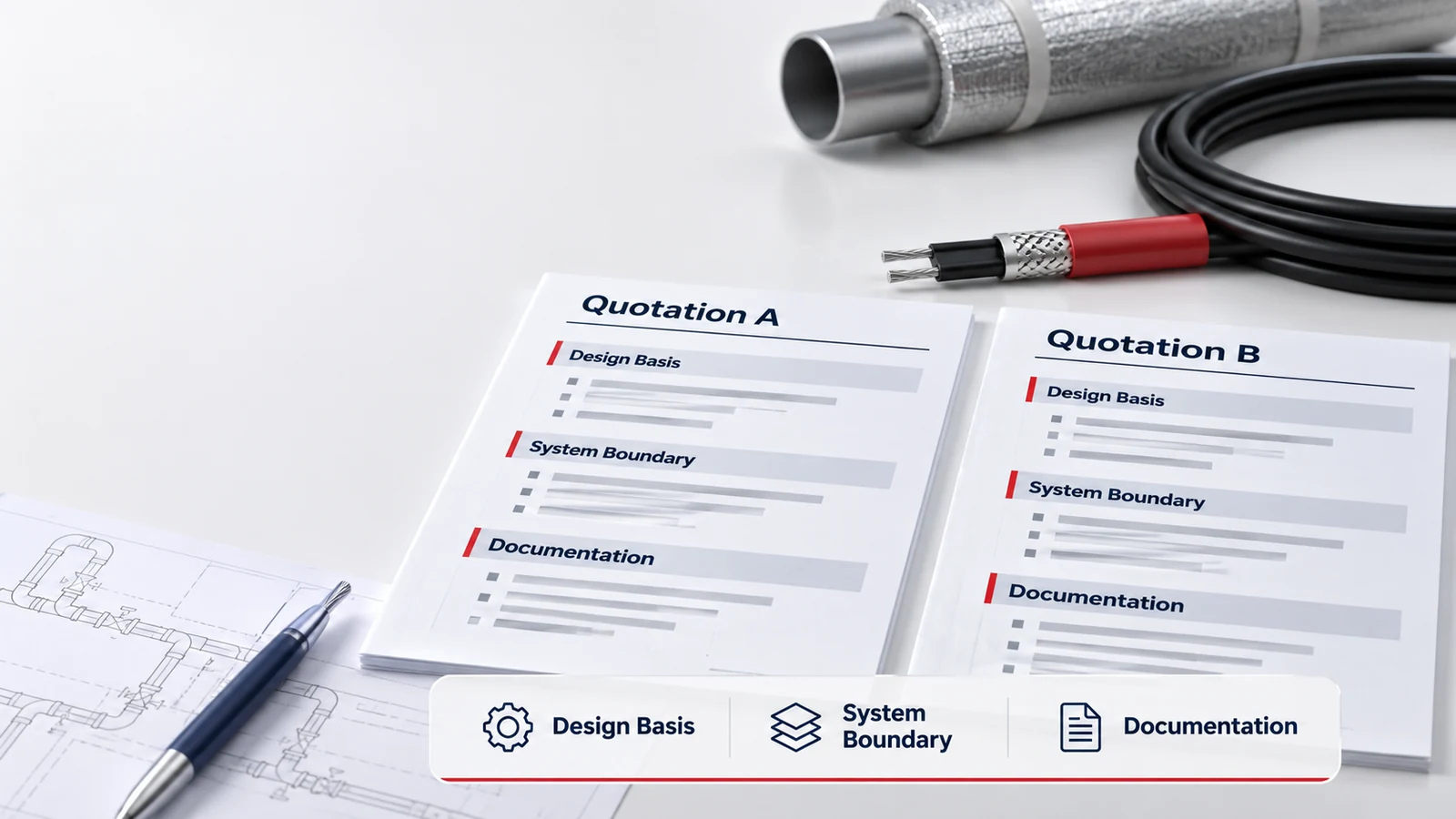 How Should Procurement Compare Two Self-Regulating Heat-Trace Quotations?Two self-regulating heat-trace quotations are comparable only when they use the same operating conditions, product definitions, circuit assumptions, system boundary and documentation scope. This guide provides a technical-commercial bid evaluation matrix and identifies common red flags.
Product photographs and details
Choose a series within this family
Compare the published product types below. Confirm the complete configuration and applicable documents before ordering.
| Series / type | Selection purpose | Published specification notes |
|---|---|---|
| LONRIHEAT LH-GBR High-temperature self-regulating heating cable | LH-GBR high-temperature self-regulating heating cable for pipe and equipment duties. Compare maintain temperature, exposure duration, startup conditions and circuit protection together. | Product type: LH-GBR High-temperature self-regulating heating cable; Selection basis: Application, supply, required heat input, heated length and environmental conditions; Temperature definition: Maintain, continuous exposure and intermittent exposure with energized state and duration; Circuit definition: Startup/load current, circuit length, protection, control and terminations |
| LONRIHEAT Hot-water maintenance heating cable | Heating cable for hot-water distribution temperature maintenance. Define the pipe network, target water temperature, insulation and control arrangement before selecting a configuration. | Product type: Hot-water maintenance heating cable; Selection basis: Application, supply, required heat input, heated length and environmental conditions; Temperature definition: Maintain, continuous exposure and intermittent exposure with energized state and duration; Circuit definition: Startup/load current, circuit length, protection, control and terminations |
| LONRIHEAT Low-voltage heating cable | Low-voltage heating cable for equipment integration and pipe protection. Match the available supply, startup current, heated length and control arrangement before specifying the circuit. | Product type: Low-voltage heating cable; Selection basis: Application, supply, required heat input, heated length and environmental conditions; Temperature definition: Maintain, continuous exposure and intermittent exposure with energized state and duration; Circuit definition: Startup/load current, circuit length, protection, control and terminations |
| LONRIHEAT Low-temperature self-regulating heating cable | Review this product type by its thermal duty, physical construction and complete electrical configuration. | Brand: LONRIHEAT; Product family: SR; Product type: LONRIHEAT Low-temperature self-regulating heating cable; Order model: Confirmed in the approved quotation and technical specification |
| LONRIHEAT Medium-temperature self-regulating heating cable | Review this product type by its thermal duty, physical construction and complete electrical configuration. | Brand: LONRIHEAT; Product family: SR; Product type: LONRIHEAT Medium-temperature self-regulating heating cable; Order model: Confirmed in the approved quotation and technical specification |
Application pathways
Industrial Pipe Freeze ProtectionProtect exposed piping, valves and other cold spots with heat tracing designed around pipe size, insulation and site conditions.Process Temperature MaintenanceMaintain the required process temperature across pipes and fittings where cooling can affect flow or product consistency.Tank & Vessel HeatingReview losses, contents and allowable surface temperature together.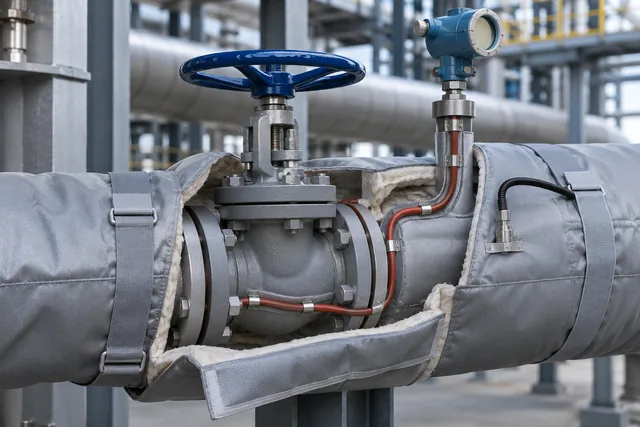 Valve and instrument cold spotsIdentify exposed valve bodies, fittings and instrument lines that need heat while leaving room for servicing.Fire Sprinkler Freeze ProtectionStart with the exposed sprinkler sections, then review heat tracing, insulation, monitoring and applicable project requirements together.
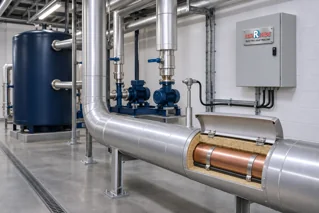 Hot Water Temperature MaintenanceMaintain distribution temperature using a defined pipe/control design.
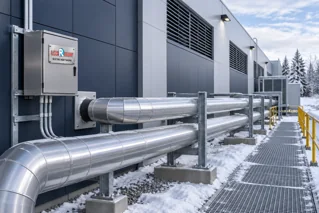 Data-center outdoor pipesIdentify exposed outdoor water lines and review winter operating conditions, monitoring and maintenance access with the facilities team.
Industry requirements
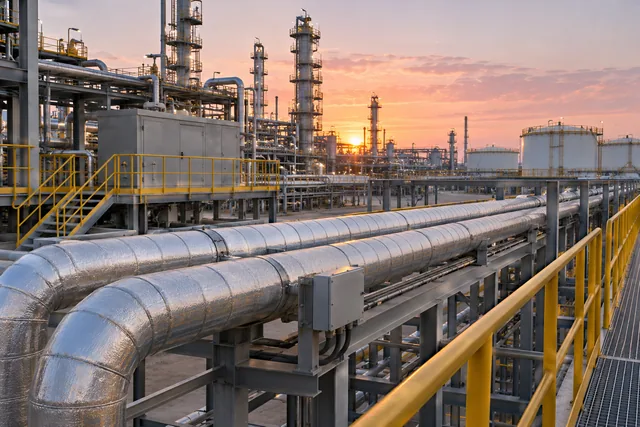 Oil & gasReview the actual duties and qualification documents for this sector.
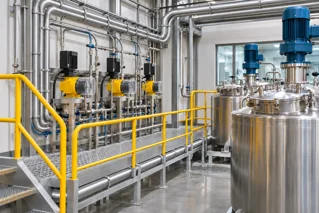 Chemical processingReview the actual duties and qualification documents for this sector.
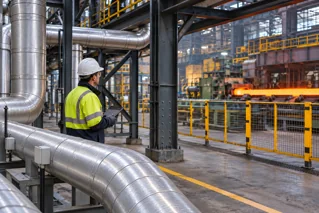 Steel & metallurgyReview the actual duties and qualification documents for this sector.
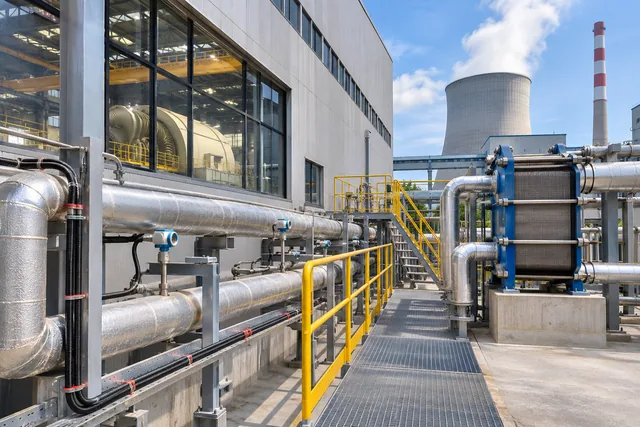 Power generationReview the actual duties and qualification documents for this sector.
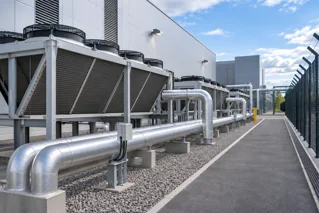 Data-center infrastructureReview the actual duties and qualification documents for this sector.Commercial buildingsReview the actual duties and qualification documents for this sector.
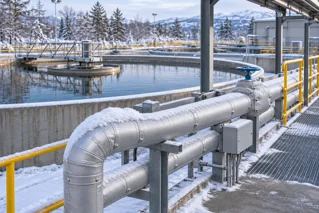 Water & wastewaterReview the actual duties and qualification documents for this sector.Fire protectionReview the actual duties and qualification documents for this sector.
Engineering decisions
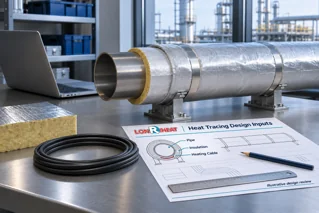 Heat-loss design inputsSelect against the duty and allowable temperature, not nominal W/m.
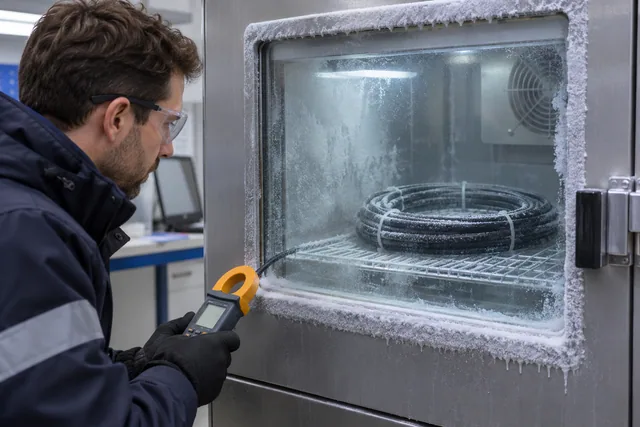 Cold start and inrushStartup can govern circuit/protection choice.
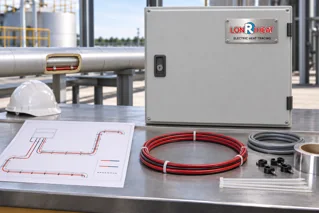 Circuit length and protectionEvery length limit has electrical and temperature conditions.
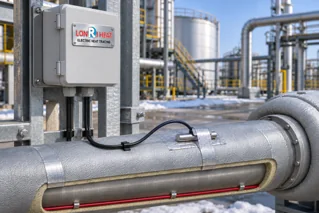 Sensors and controlDefine sensing, limits and failure response as one system.
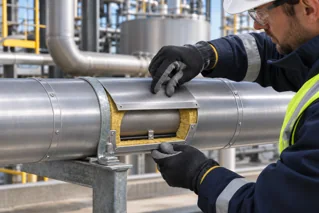 Installation and commissioningRecord checks before and after insulation.
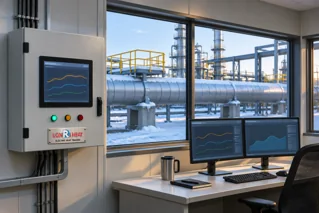 Monitoring and troubleshootingDiagnose the complete circuit before replacement.
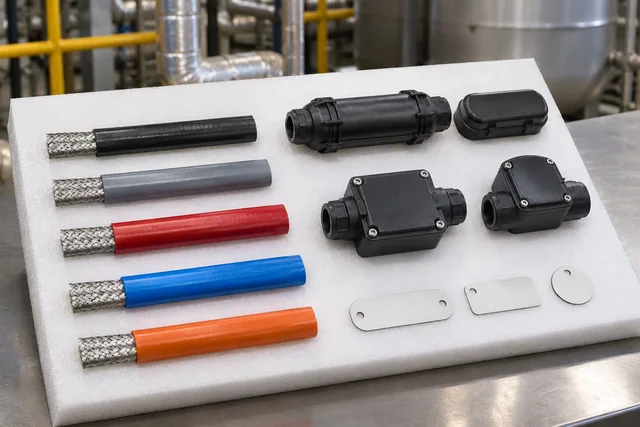 Complete model, suffix and configuration reviewSeparate brand, family, series, configuration and internal product identity.
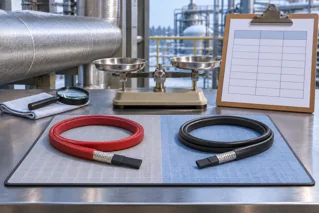 Supplier comparisonCompare equal technical and commercial scope.
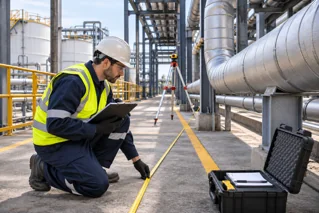 Heating Cable Quantity EstimatorEstimate heating cable quantities for pipes and vessels using your project inputs. Results are for reference and guidance only; final quantities must follow the engineer-approved design.
Buyer guides for this product family
What Information Should Buyers Provide for an Accurate Heat-Tracing Quotation?An accurate heat-tracing quotation needs more than cable length and watts per metre. This checklist helps buyers define the application, temperatures, pipework, insulation, power, environment, controls, accessories, documentation and commercial scope before comparing suppliers.Self-regulating or constant wattage: what should a buyer compare?Compare decision inputs rather than selecting from a generic product label.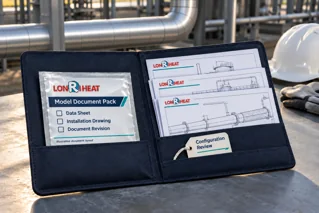 Model-level technical document packKeep each product configuration and its documents on the same revision.
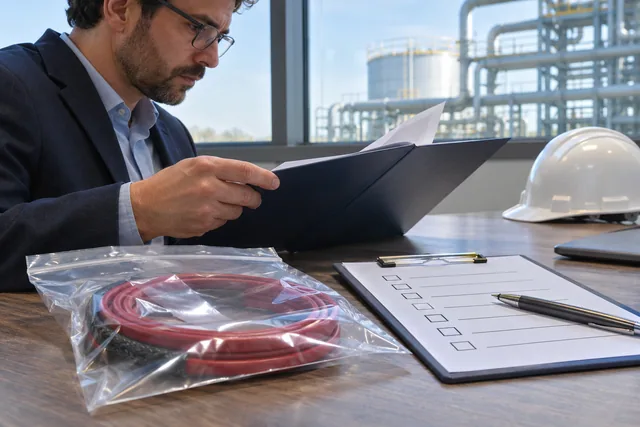 Supplier qualification and document checklistGive engineering, procurement and quality the same configuration and evidence set.How Should Procurement Compare Two Self-Regulating Heat-Trace Quotations?Two self-regulating heat-trace quotations are comparable only when they use the same operating conditions, product definitions, circuit assumptions, system boundary and documentation scope. This guide provides a technical-commercial bid evaluation matrix and identifies common red flags.
Engineering specification card
Product Identity
LONRIHEAT Self-regulating heating cable | SR | internal record LHP-81EFE0BD84F5 | source reference Company product-type materials; configuration confirmed in approved quotation | controlled order model: pending
Operating Envelope
Publication level: Product family; model schedule pending; Typical buyer task: Freeze protection or temperature maintenance; Selection inputs: Equipment data, temperatures, voltage, insulation, environment and circuit conditions; Controlled data required: Output curves, exposure limits, start-up current, circuit limits, accessories and model-level compliance; Order model: Confirmed in the approved quotation and technical specification
Construction
Identify the bus conductors, PTC core, insulation, braid and jacket. A source cross-section illustrates that construction only; confirm the exact material/configuration.
Engineering Conditions
Pipe/equipment dimensions and material; fluid; maintain and exposure temperatures with energized state; minimum ambient; insulation; supply; length; environment; protection and control.
Compliance Scope
Refer to the exact approved model and applicable document scope.
Selection & Inquiry
Narrow the selection using the required maintain temperature, maximum exposure, available supply, startup condition and circuit, rather than choosing by W/m alone.
Request specifications
Series and individual model details
Open an entry for its configuration-specific data. Source model references are not automatically approved company order codes.
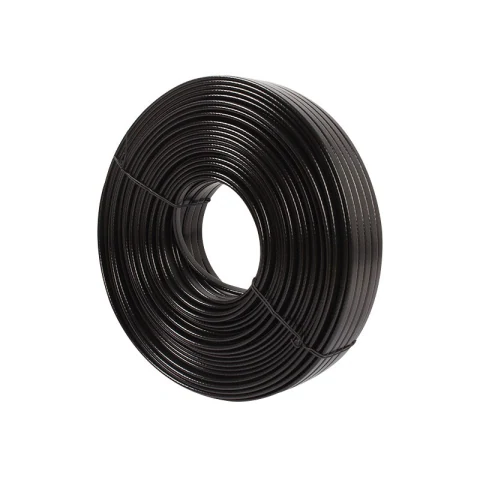 LONRIHEAT Low-temperature self-regulating heating cableReview this product type by its thermal duty, physical construction and complete electrical configuration.
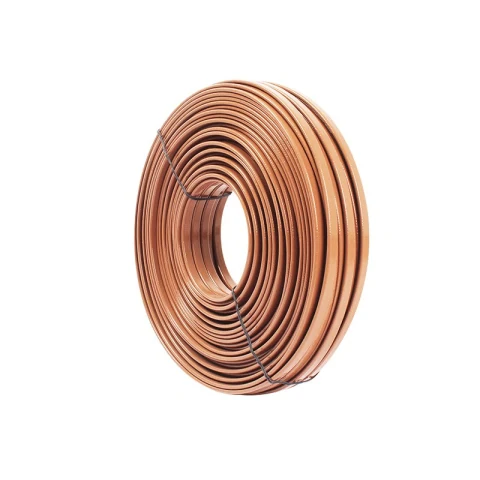 LONRIHEAT Medium-temperature self-regulating heating cableReview this product type by its thermal duty, physical construction and complete electrical configuration.
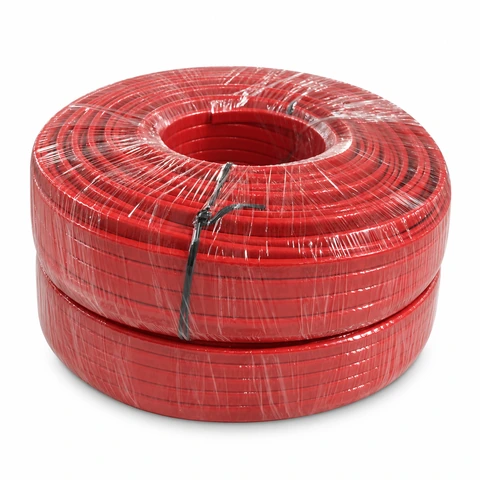 LONRIHEAT LH-GBR High-temperature self-regulating heating cableLH-GBR high-temperature self-regulating heating cable for pipe and equipment duties. Compare maintain temperature, exposure duration, startup conditions and circuit protection together.
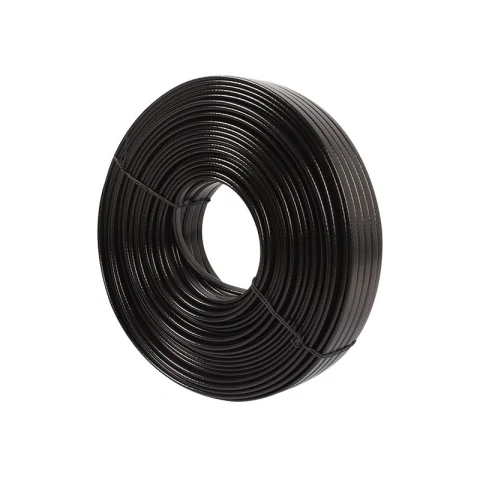 LONRIHEAT Low-voltage heating cableLow-voltage heating cable for equipment integration and pipe protection. Match the available supply, startup current, heated length and control arrangement before specifying the circuit.
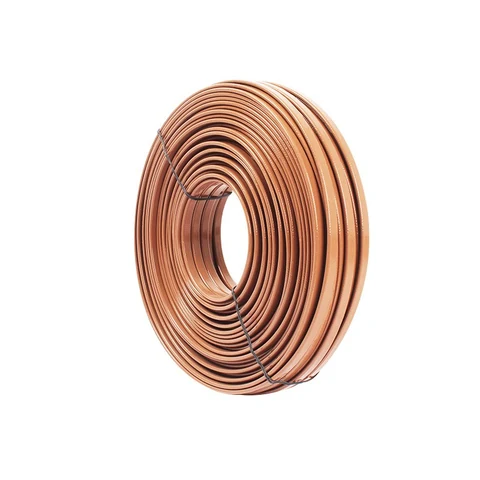 LONRIHEAT Hot-water maintenance heating cableHeating cable for hot-water distribution temperature maintenance. Define the pipe network, target water temperature, insulation and control arrangement before selecting a configuration.
Related answers, products & documents
- revision
- LPIA-V2.1-CATALOGUE
- updated
- 2026-11-16
 LONRIHEAT® | Electric Heat Tracing & HeatingFire Sprinkler Freeze ProtectionIndustrial Pipe Freeze ProtectionProcess Temperature MaintenanceTank & Vessel Heating
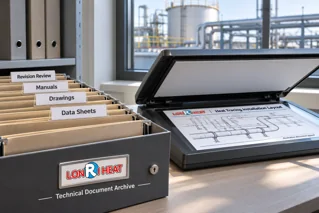 Document registerCircuit length and protectionCold start and inrushHeating Cable Quantity Estimator
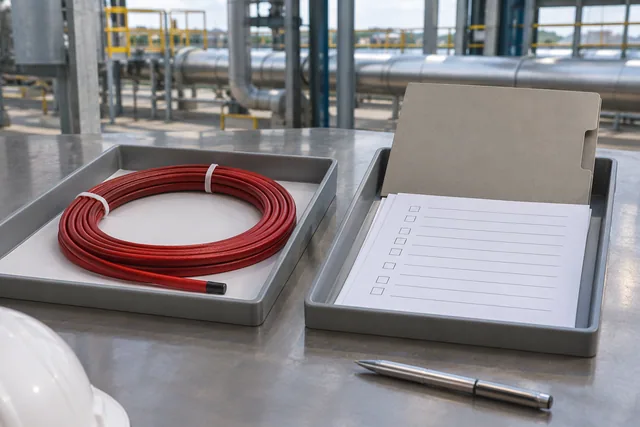 What this local website does and does not claimHow Should Procurement Compare Two Self-Regulating Heat-Trace Quotations?Model-level technical document packWhat Information Should Buyers Provide for an Accurate Heat-Tracing Quotation?Self-regulating or constant wattage: what should a buyer compare?Commercial buildingsFire protectionLONRIHEAT LH-GBR High-temperature self-regulating heating cable
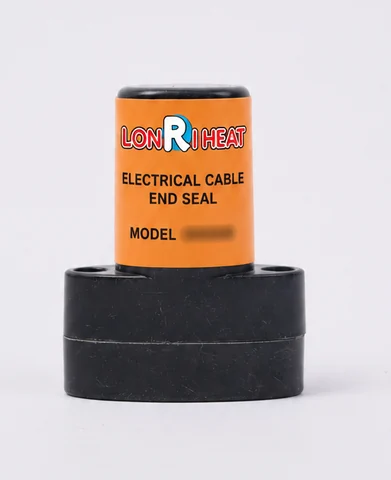 LONRIHEAT Heat tracing end-termination component
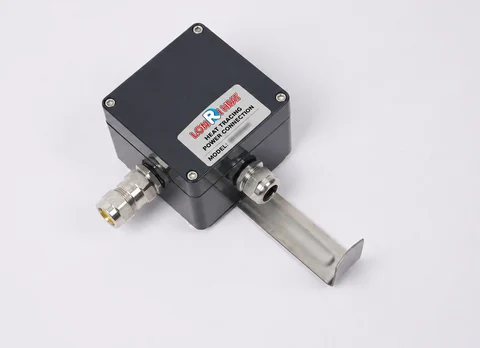 LONRIHEAT Heat tracing power connection boxLONRIHEAT Hot-water maintenance heating cableLONRIHEAT Low-voltage heating cableLONRIHEAT Low-temperature self-regulating heating cableLONRIHEAT Medium-temperature self-regulating heating cable
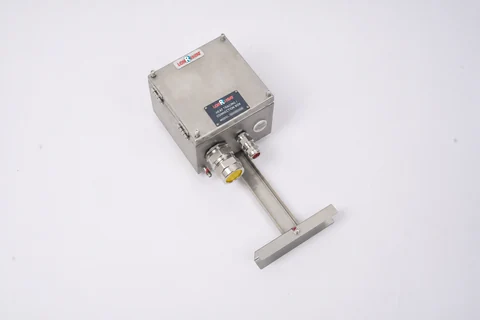 LONRIHEAT Stainless-steel heat tracing connection box
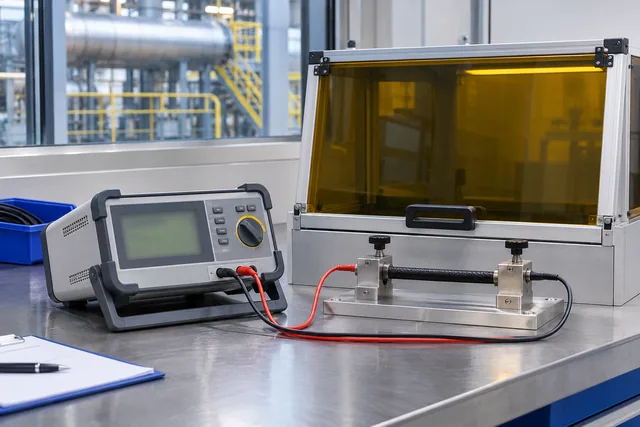 Quality & compliance
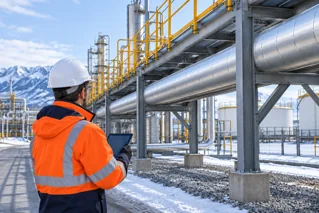 Engineering review
 Request a quotation
Prepare your configuration enquiry
Product family: Heat Tracing Cables.
| Series | Review before selection |
|---|---|
| Low-temperature | Minimum ambient temperature and freeze-protection duty |
| Medium-temperature | Maintain temperature and expected shutdown exposure |
| High-temperature | Continuous and intermittent exposure conditions |
Download the configuration enquiry worksheet (CSV) · Request the applicable model datasheet and quotation